The Ancient Art That Conquered America's Medicine Cabinet: How 5,000-Year-Old Eye Paint Became a Billion-Dollar Obsession
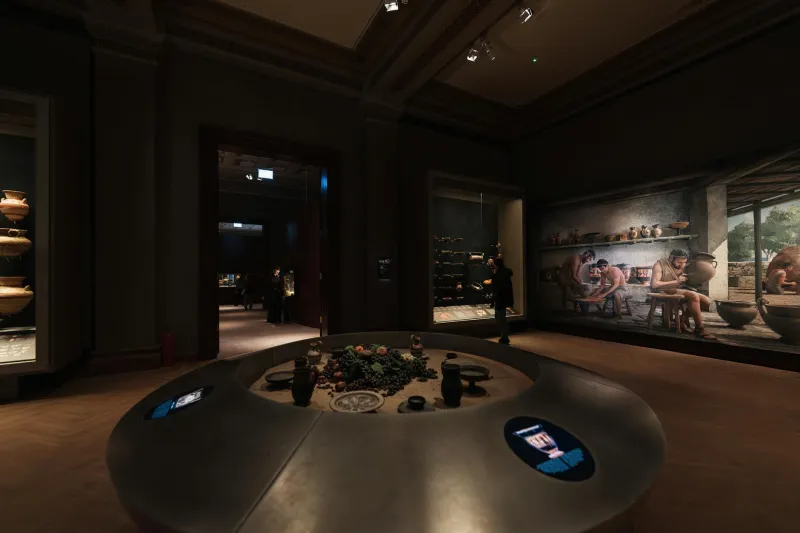
The Eyes of the Pharaohs
Five thousand years ago, along the banks of the Nile River, ancient Egyptians were grinding minerals into powder and painting dramatic lines around their eyes. But this wasn't vanity—it was survival. The thick black kohl that defined Egyptian beauty served as sunscreen, insect repellent, and infection prevention all in one application.
 Photo: Nile River, via historicaleve.com
The Egyptians created their eye makeup from galena, a lead-based mineral that they ground into fine powder and mixed with animal fats or plant oils. They applied it with small sticks or their fingers, creating the distinctive almond-shaped eyes that we recognize from tomb paintings and golden burial masks. Both men and women wore kohl, from pharaohs to farmers, making it one of history's most democratic beauty practices.
What the ancient Egyptians understood—and modern science has confirmed—is that their eye makeup actually worked as medicine. The lead compounds in kohl generated nitric oxide in the skin, which boosted the immune system and helped fight off the eye infections that were common in the dusty, sun-baked Nile valley. They weren't just making themselves beautiful; they were protecting their health.
Sacred Makeup, Divine Protection
For ancient Egyptians, eye makeup was deeply spiritual. The dramatic eye designs weren't just aesthetic choices—they were meant to invoke the protection of their gods. The Eye of Horus, one of the most powerful symbols in Egyptian mythology, represented protection, royal power, and good health. By painting their eyes to resemble divine symbols, Egyptians believed they were channeling supernatural protection.
The wealthy took this spiritual aspect even further, using precious materials like crushed lapis lazuli for blue accents and malachite for green tones. These weren't just expensive pigments—they were sacred substances believed to connect the wearer with the divine realm. Egyptian queens were buried with elaborate makeup palettes, ensuring they would be properly adorned for the afterlife.
This spiritual dimension of eye makeup would echo through cultures for millennia. From ancient Greece to medieval Europe to modern America, dramatic eyes have consistently been associated with power, mystery, and otherworldly allure.
The Lost Art Travels West
After the fall of ancient Egypt, the art of dramatic eye makeup scattered across the Mediterranean world. Greek and Roman women adopted modified versions of Egyptian techniques, though they never quite matched the intensity or sophistication of the original. During the Middle Ages, elaborate eye makeup fell out of favor in Christian Europe, where it was associated with vanity and moral corruption.
The practice survived in the Middle East and North Africa, where kohl remained a traditional beauty and health practice. But in the Western world, the ancient Egyptian art of dramatic eye makeup seemed lost forever—until Hollywood discovered it in the 1920s.
The Silver Screen Revival
The resurrection of dramatic eye makeup in America began in the silent film era. Early movie cameras couldn't capture subtle facial expressions, so actors needed bold, exaggerated features that would read clearly on screen. Directors and makeup artists began studying ancient art for inspiration, and Egyptian eye designs proved perfect for the dramatic intensity that silent films required.
Actors like Theda Bara and Pola Negri popularized the "vamp" look—heavily lined eyes with dark, smoky shadows that directly echoed ancient Egyptian techniques. When Rudolph Valentino wore dramatic eye makeup in "The Sheik" (1921), he brought masculine eye makeup back into Western culture for the first time in centuries.
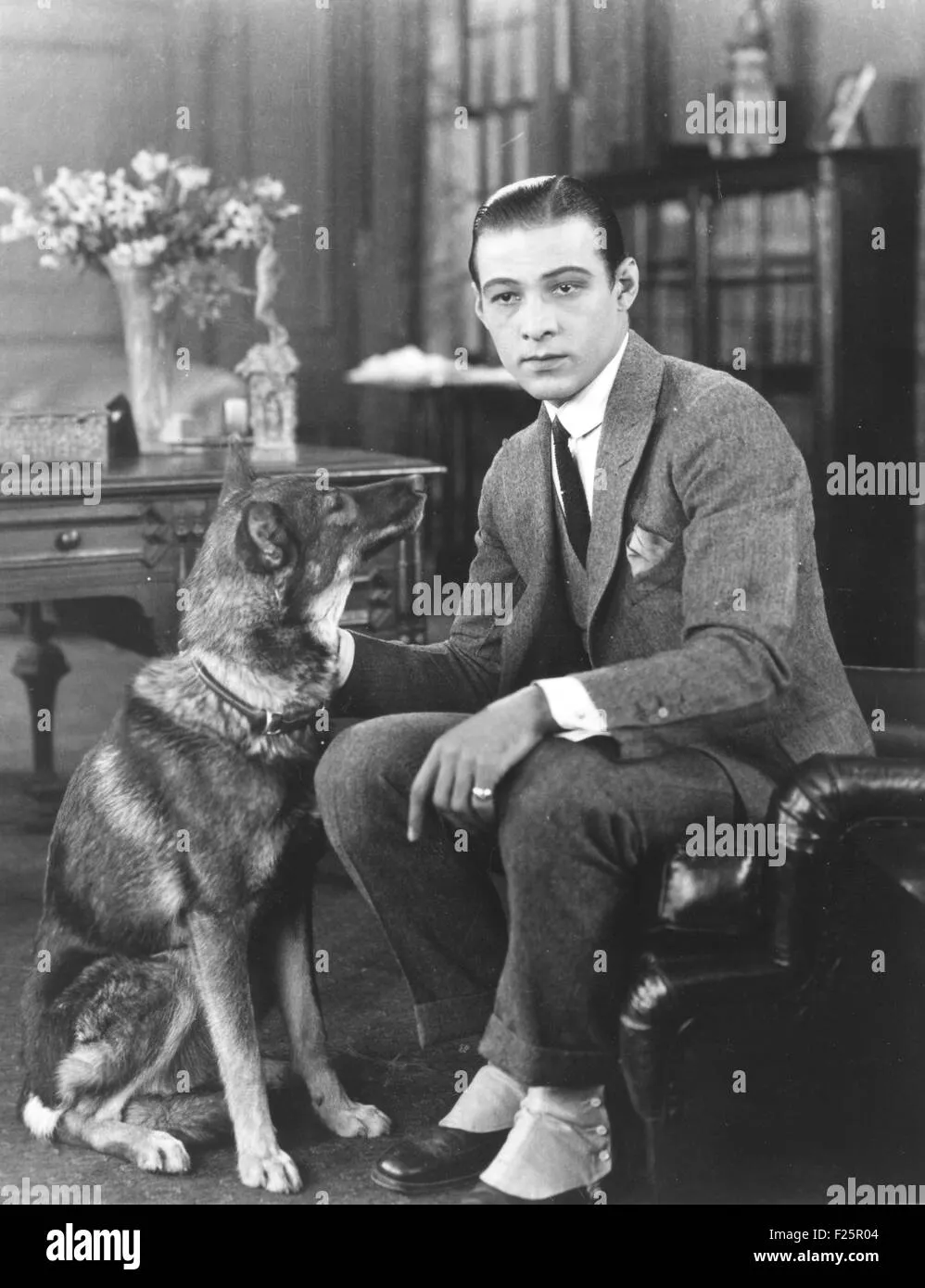 Photo: Rudolph Valentino, via c8.alamy.com
But it was the discovery of King Tutankhamun's tomb in 1922 that truly launched America's obsession with Egyptian-inspired eye makeup. The global media frenzy around "King Tut" made Egyptian aesthetics fashionable again, and American women began experimenting with the bold eye looks they saw in newspaper photos of ancient artifacts.
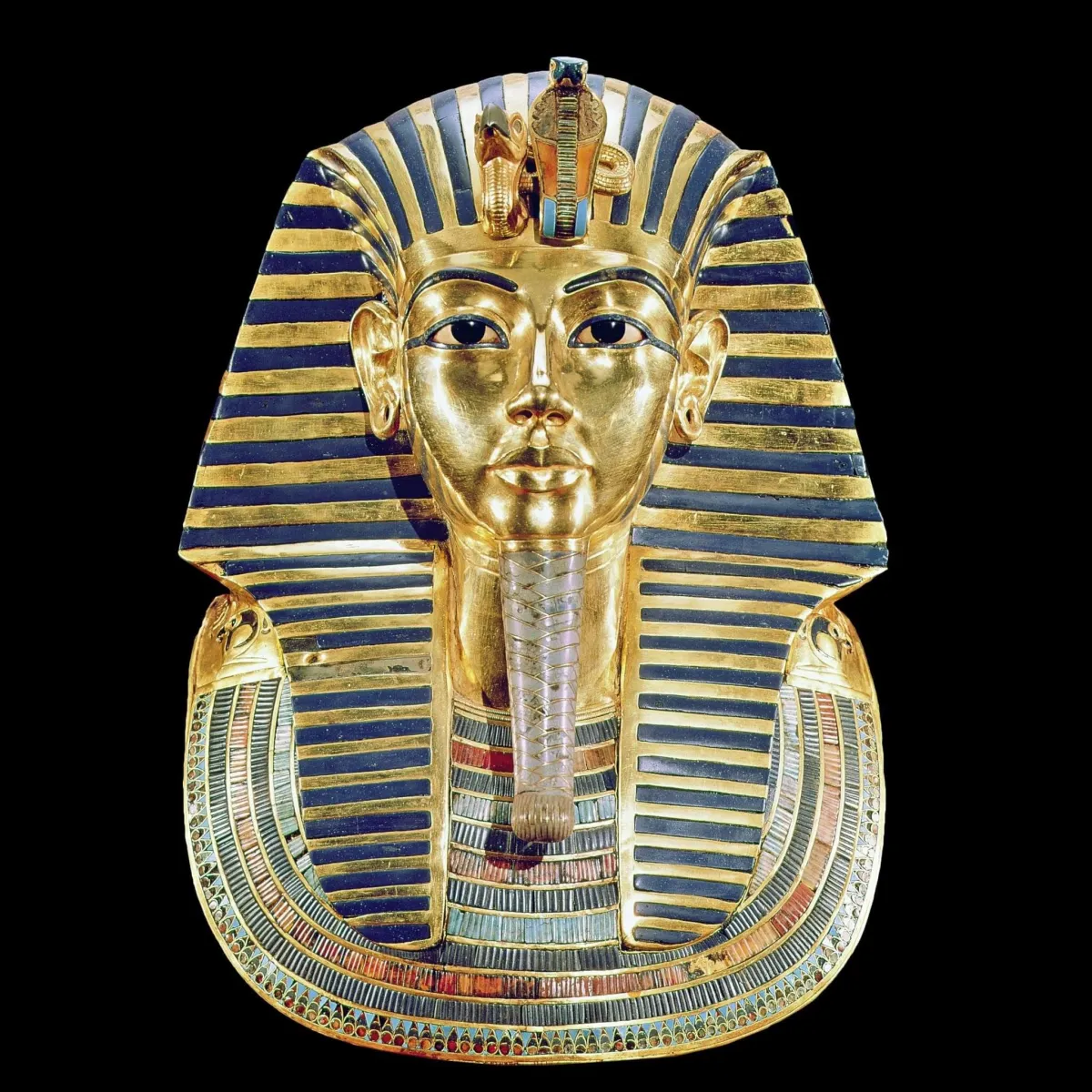 Photo: King Tutankhamun, via egypt-museum.com
Hollywood's Golden Age of Eyes
The 1930s and 1940s refined the Egyptian-inspired eye makeup into something distinctly American. Stars like Joan Crawford, Bette Davis, and Lauren Bacall popularized specific eye makeup techniques that became templates for American beauty. The "cat eye" look, with its upward-slanted liner extending beyond the natural eye shape, was a direct descendant of ancient Egyptian designs.
Max Factor, the legendary Hollywood makeup artist, developed new products specifically for these dramatic eye looks. His waterproof mascara and long-lasting eyeliner were designed to withstand the hot studio lights and long filming days, but they also made dramatic eye makeup practical for everyday American women.
The influence flowed both ways. As Hollywood stars popularized Egyptian-inspired eye makeup, American women began demanding products that could help them recreate these looks at home. The modern cosmetics industry was born from this desire to capture a piece of Hollywood glamour.
The Drugstore Revolution
The real transformation came after World War II, when mass production and chemical innovations made eye makeup affordable for average Americans. Companies like Revlon, Maybelline, and Cover Girl developed drugstore versions of professional makeup products, making dramatic eye looks accessible to women across all economic classes.
The 1960s brought another Egyptian revival with the mod movement. Twiggy's exaggerated eyelashes and geometric eye designs channeled ancient Egyptian aesthetics through a contemporary lens. The "Cleopatra" look became shorthand for sophisticated, dramatic beauty, even though most American women had never seen actual ancient Egyptian art.
By the 1970s, eye makeup had become so fundamental to American beauty culture that going without it was considered unconventional. The ancient Egyptian practice of daily eye painting had been thoroughly absorbed into modern American life.
The Modern Eye Makeup Empire
Today, Americans spend over $4 billion annually on eye makeup products. The average American woman owns multiple eyeliners, several eyeshadow palettes, at least two mascaras, and various tools for application. The techniques she uses—blending, layering, contouring—are direct descendants of methods developed along the Nile thousands of years ago.
Social media has intensified this ancient obsession. Instagram and TikTok tutorials teach millions of Americans how to create ever-more-dramatic eye looks, using products that would amaze ancient Egyptians with their precision and variety. The "smoky eye," "cat eye," and "cut crease" techniques that dominate beauty culture today all trace their lineage back to those first Egyptian kohl applications.
Modern eye makeup serves many of the same functions as ancient Egyptian kohl. It's still about protection—now psychological rather than physical. It's still about status and identity. It's still about transformation and empowerment. The specific techniques may have evolved, but the fundamental human desire to enhance and dramatize the eyes remains unchanged.
The Eternal Eye
The next time you reach for eyeliner or mascara, you're participating in one of humanity's oldest beauty rituals. That quick swipe of liner connects you to Egyptian queens, Hollywood stars, and billions of women throughout history who understood that the eyes are the most powerful feature on the human face.
The ancient Egyptians believed that proper eye makeup could protect them in this life and the next. Modern Americans may not share those specific beliefs, but they continue to invest enormous time, money, and emotional energy in perfecting their eye makeup. Perhaps they understand, consciously or not, that there's something transformative about dramatically framing the windows to the soul.
Five thousand years after the first Egyptian ground galena into kohl, their beauty innovation continues to shape how Americans present themselves to the world. The techniques have been refined, the products have been revolutionized, but the basic impulse remains the same: to make the eyes impossible to ignore.