From Naval Deck to Corner Office: The Jacket That Was Never Supposed to Leave the Ship
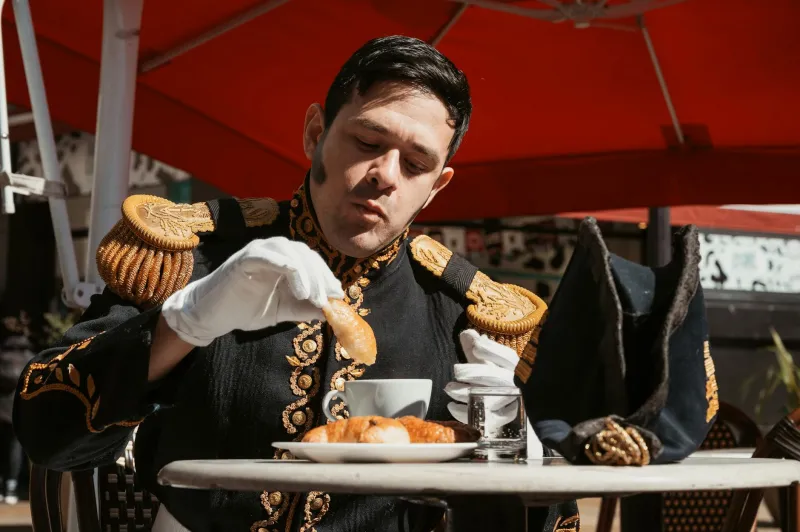
The HMS Blazer Sets Sail
In 1845, Captain John Washington of the Royal Navy had a problem. His ship, the HMS Blazer, was scheduled for a royal inspection by Queen Victoria herself, and his crew looked like a ragtag bunch of maritime misfits. Each sailor wore whatever jacket he could find—some in blue serge, others in rough wool, many in clothes that had seen better days.
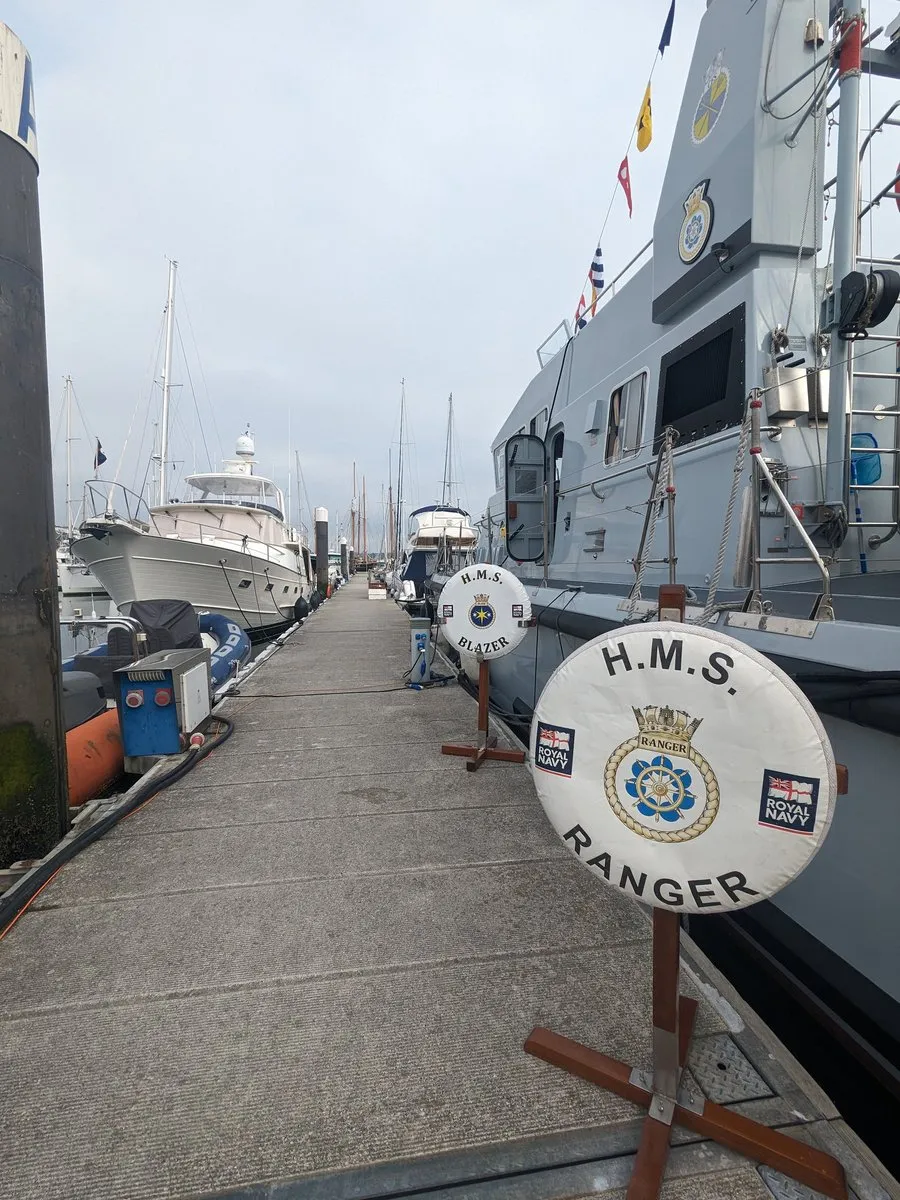 Photo: HMS Blazer, via pbs.twimg.com
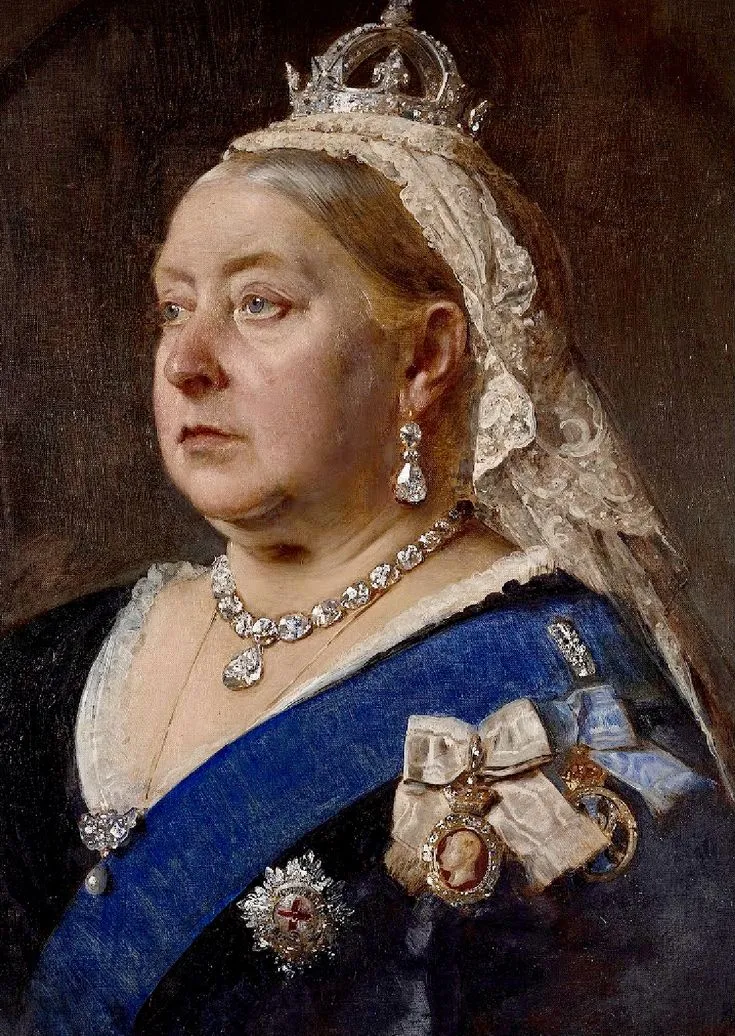 Photo: Queen Victoria, via i.pinimg.com
Washington needed his men to look sharp, and fast. So he ordered identical navy blue jackets for his entire crew, each adorned with metal buttons bearing the ship's crest. The jackets were practical—double-breasted for warmth, with a tailored cut that allowed for easy movement on deck. But they were also distinctly military in their uniformity and precision.
When Queen Victoria saw the crew of the HMS Blazer, she was impressed by their smart appearance. The jackets looked so sharp that other naval officers began requesting similar uniforms for their own ships. Soon, what had started as one captain's quick fix for a royal inspection became standard naval attire across the British fleet.
The jacket took its name from the ship that made it famous. A "blazer" was born.
From Sea to Shore
The blazer might have stayed confined to naval vessels if not for Britain's growing obsession with recreational boating. In the 1860s and 1870s, wealthy Brits began taking up sailing as a leisure activity, and they wanted to look the part. The naval blazer, with its crisp lines and maritime heritage, became the perfect uniform for yacht club members and weekend sailors.
But these civilian blazers started evolving. While naval versions remained strictly navy blue, yacht club blazers exploded into bright colors and bold stripes. The Lady Margaret Boat Club at Cambridge University became famous for their blazers in vivid red. Other clubs chose bright yellow, emerald green, or eye-catching stripes. The more outrageous the color, the more exclusive the club seemed.
 Photo: Lady Margaret Boat Club, via images.squarespace-cdn.com
This is where the blazer's identity began to shift from purely practical to partially performative. Wearing a blazer wasn't just about staying warm on a boat—it was about broadcasting your membership in an exclusive group. The jacket became a form of social signaling, a way to announce your leisure class status without saying a word.
The American Adoption
The blazer crossed the Atlantic in the late 1800s, brought over by wealthy Americans who had encountered it at British yacht clubs or while studying at Oxford and Cambridge. But in America, the blazer underwent another transformation. While it retained its association with privilege and leisure, it also became more democratic.
American universities embraced blazers as part of their school uniforms, but they weren't just for the wealthy anymore. State schools and public institutions began requiring blazers for their students, making the jacket a symbol of educational achievement rather than just inherited wealth. The blazer became part of the American dream narrative—something you could earn through academic success.
By the 1920s, American women had claimed the blazer too. Coco Chanel may get credit for liberating women's fashion, but American college women were already wearing blazers as everyday attire, pairing them with skirts for a look that was both professional and practical.
The Corporate Uniform
The blazer's biggest transformation came after World War II, when millions of American men returned from military service and entered the corporate workforce. The business world needed a uniform that conveyed authority and professionalism, but wasn't as formal as a full suit.
The blazer was perfect. It had military heritage that appealed to veterans, the tailored structure that suggested competence, and the flexibility to be dressed up or down depending on the occasion. By the 1950s, the navy blazer had become as essential to American business attire as the white dress shirt.
Women entering the workforce in larger numbers during the 1960s and 1970s also adopted the blazer, but for different reasons. The structured shoulders and clean lines of a blazer helped women project authority in male-dominated offices. The blazer became armor—professional protection that helped women be taken seriously in corporate America.
The Blazer's Hidden Power
What makes the blazer so enduring is its ability to transform the wearer. Put on a blazer, and you immediately look more professional, more put-together, more authoritative. This isn't an accident—it's the result of more than 150 years of cultural conditioning that associates the blazer with competence and status.
The blazer works because it borrows authority from its military origins while maintaining the approachability of civilian clothing. It's formal enough for important meetings but casual enough for everyday wear. It can make a t-shirt look professional or make a formal outfit more relaxed.
This versatility has made the blazer a staple of American school uniforms, from elementary schools to Ivy League universities. Students may grumble about blazer requirements, but schools know that the jacket instantly elevates the perceived seriousness and respectability of their institutions.
The Modern Blazer Economy
Today, the American blazer market is worth billions of dollars annually. Every department store, from Target to Nordstrom, carries multiple blazer styles. Fast fashion retailers like H&M and Zara have made blazers accessible to every income level, while luxury brands like Brooks Brothers continue to cater to customers who want to invest in tradition.
The blazer has also adapted to changing workplace norms. As offices became more casual, blazer manufacturers responded with softer fabrics, relaxed fits, and more casual styling. The "soft blazer" or "knit blazer" maintains the silhouette and authority of a traditional blazer while offering the comfort of a cardigan.
From Ship to Boardroom
Captain Washington's quick solution for impressing Queen Victoria has become one of the most enduring and versatile pieces in American fashion. The blazer succeeded because it solved a fundamental problem: how to look professional and authoritative without being overly formal.
Every time you reach for a blazer before an important meeting, job interview, or school presentation, you're tapping into more than 170 years of accumulated cultural authority. You're borrowing the credibility of British naval officers, the exclusivity of yacht clubs, and the competence of generations of successful professionals.
The blazer proves that sometimes the best fashion innovations come not from designers trying to create something beautiful, but from practical people trying to solve immediate problems. Captain Washington just wanted his crew to look sharp for the Queen. He had no idea he was creating a garment that would become essential to American professional life.