How Department Stores Taught American Women to Shop All Day—And Dress for the Occasion
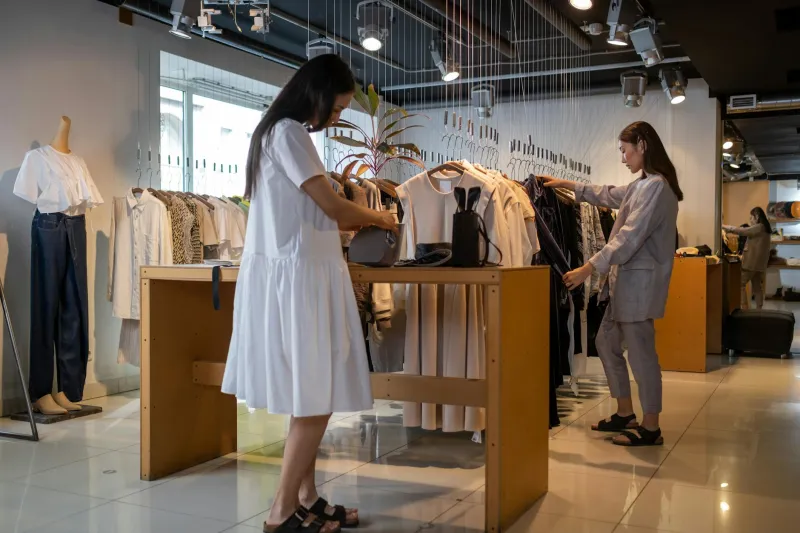
The Revolutionary Idea of Shopping as Entertainment
Picture this: It's 1876 in Philadelphia, and John Wanamaker has just done something that sounds obvious today but was revolutionary then—he opened a restaurant inside his department store. Not a small café tucked in a corner, but a full dining room with white tablecloths, professional waiters, and a menu that rivaled the city's best restaurants.
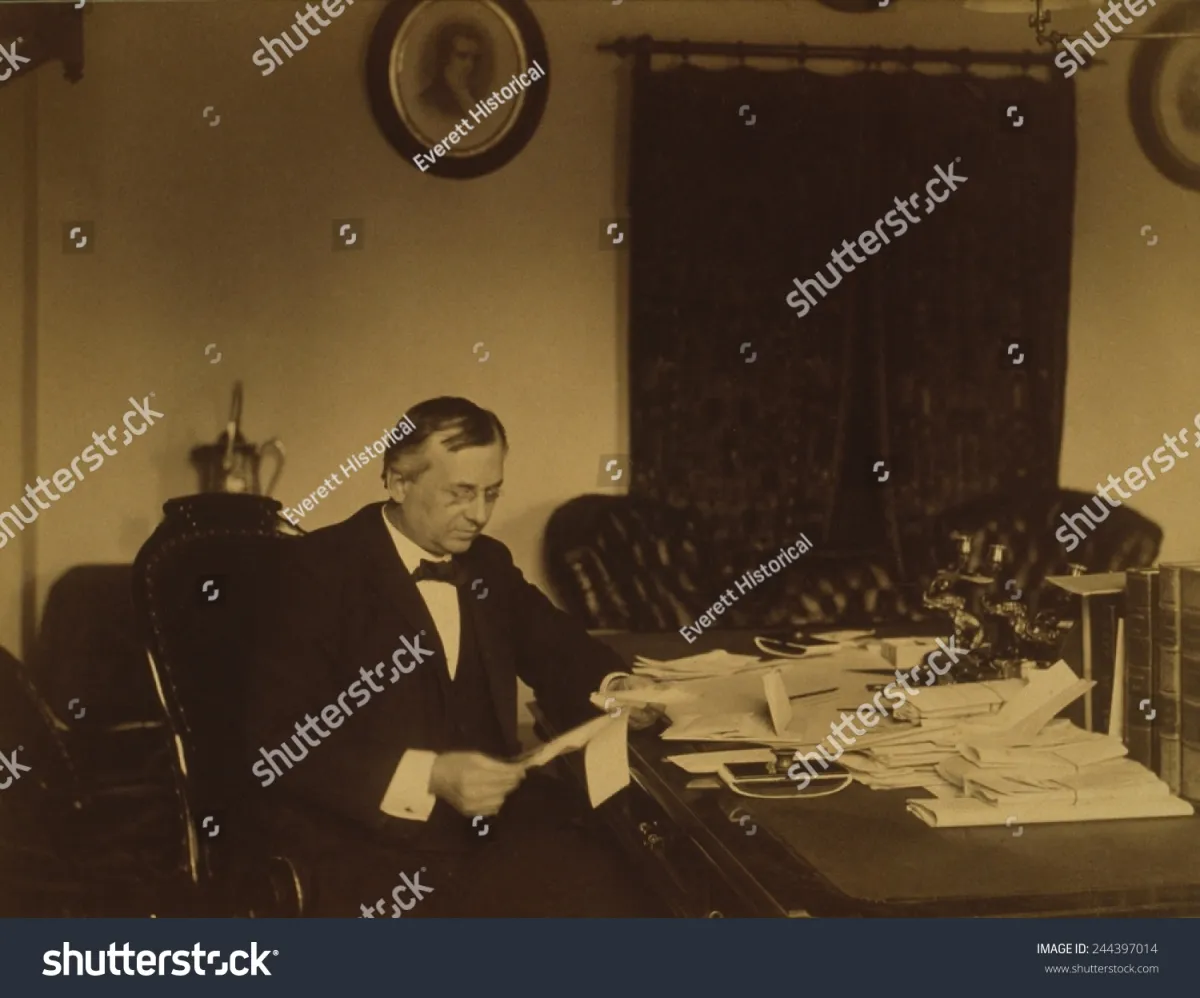 Photo: John Wanamaker, via image.shutterstock.com
Wanamaker wasn't trying to become a restaurateur. He was solving a problem that was limiting his profits: women could only shop for as long as their stamina and social propriety allowed. Send them home for lunch, and they might not come back. Keep them fed and comfortable, and they'd spend the entire day—and significantly more money.
The Unspoken Rules of Respectable Shopping
Before department stores, shopping was a utilitarian task. You went to the butcher for meat, the baker for bread, the dressmaker for clothes. Each transaction was brief, specific, and conducted in spaces that were decidedly male-dominated. A respectable woman didn't linger in commercial establishments—she completed her business and left.
Department stores changed this dynamic entirely, but they had to be extremely careful about how they did it. The success of their business model depended on making shopping socially acceptable for middle and upper-class women, which meant creating environments that felt more like elegant homes than commercial spaces.
Marshall Field's in Chicago took this concept even further, coining the phrase "Give the lady what she wants" and training staff to treat female customers like honored guests rather than potential troublemakers. They installed ladies' lounges with comfortable seating, writing desks, and even nurseries where women could leave their children while shopping.
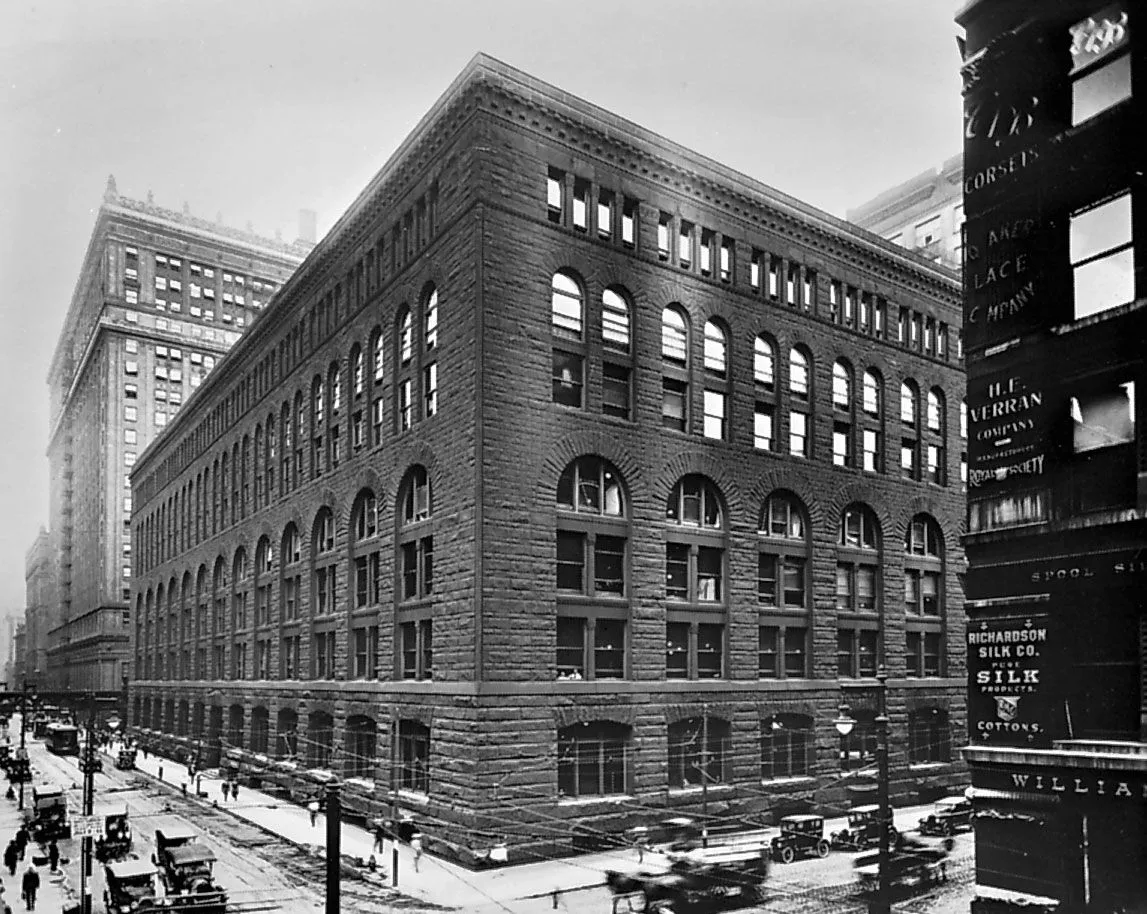 Photo: Marshall Field's, via cdn.britannica.com
The Birth of the Shopping Outfit
This new culture of extended shopping trips created an entirely new category of clothing: the shopping outfit. For the first time in American history, women needed clothes specifically designed for spending hours in semi-public spaces, moving between departments, trying on garments, and dining in store restaurants.
The solution was what we might now call "smart casual"—dresses and suits that were more elegant than housework clothes but less formal than evening wear. These outfits had to be comfortable enough for walking and bending, presentable enough for dining, and practical enough for handling merchandise.
Tailored walking suits became enormously popular, featuring skirts that were slightly shorter than formal gowns (though still floor-length) and jackets that allowed for arm movement. The Gibson Girl look, with its practical shirtwaist and skirt combination, was essentially the first shopping uniform.
The Economics of Comfort
Department store owners quickly realized that customer comfort directly translated to sales figures. Wanamaker's and Field's invested heavily in amenities that seem standard today but were revolutionary then: clean restrooms, comfortable seating areas, good lighting, and climate control.
They also pioneered the concept of "browsing"—encouraging customers to look at merchandise without immediate pressure to buy. This required training staff in entirely new sales techniques and creating store layouts that guided customers through multiple departments in a logical flow.
The financial impact was dramatic. Women who previously made quick, targeted purchases began spending entire afternoons in stores, often buying items they hadn't planned to purchase when they arrived. Department stores had essentially invented recreational shopping.
The Social Revolution Hidden in Plain Sight
What's remarkable about this transformation is how it quietly revolutionized women's relationship with public spaces. Department stores became some of the first places where respectable women could spend time in public without male escorts, make independent purchasing decisions, and interact with other women outside their immediate social circles.
The tea rooms and restaurants weren't just about keeping customers in the store longer—they were creating new social spaces for women. Business lunches between female shoppers became common, as did shopping parties where groups of women would make a day of visiting multiple stores.
The Dress Code That Wasn't Written Down
Department stores never posted dress codes, but they established them through subtler means. The way they decorated their spaces, the formality of their staff uniforms, and the social class of their target customers all communicated clear expectations about appropriate shopping attire.
Women understood that shopping at Wanamaker's or Marshall Field's required a certain level of dress, which in turn drove sales of the very clothes being sold in those stores. It was a brilliant, if unintentional, feedback loop that reinforced both the stores' upscale image and their customers' need for appropriate clothing.
The Legacy in Your Closet
Today's concept of "going shopping" as a leisure activity—complete with specific outfits for the occasion—traces directly back to these 19th-century innovations. The idea that you might spend an entire Saturday at the mall, grab lunch while you're there, and buy things you didn't know you needed is a direct descendant of Wanamaker's restaurant strategy.
Even our modern "athleisure" trend reflects this same principle: clothes designed for being active in semi-public spaces, comfortable enough for extended wear, but stylish enough to be seen in. The yoga pants you wear to Target serve the same function as those Victorian walking suits—they're your modern shopping uniform.
The next time you plan an outfit for a day of shopping, remember that you're participating in a tradition that began when a Philadelphia businessman realized that fed customers were profitable customers, and that keeping women comfortable in commercial spaces would fundamentally change American retail culture.