The Lamp That Fell Over and Built an Empire: How Spilled Turpentine Revolutionized Your Closet

The Night Everything Changed in Paris
Jean Baptiste Jolly was having a terrible evening in his Paris tailor shop in 1855. As he worked late into the night, he knocked over a kerosene lamp filled with turpentine, sending the flammable liquid splashing across his workbench and onto a greasy tablecloth. Cursing his clumsiness, Jolly cleaned up what he could and went to bed, expecting to deal with the mess in the morning.
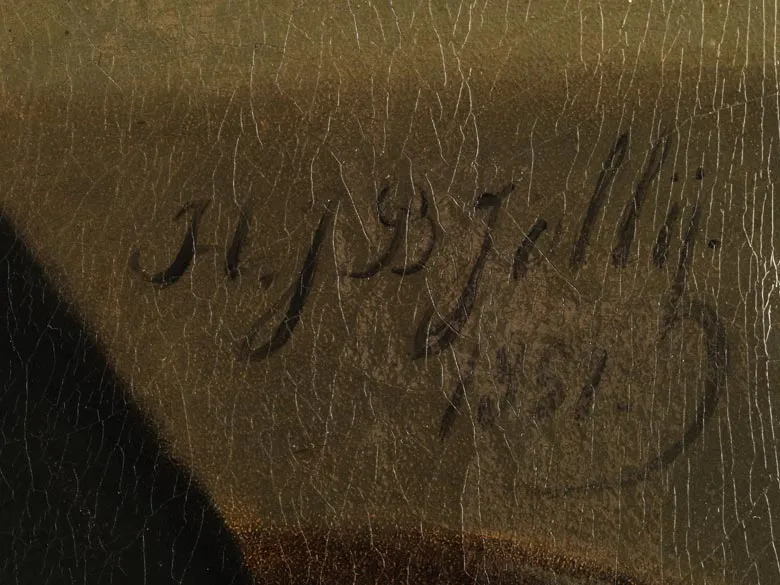 Photo: Jean Baptiste Jolly, via www.hampel-auctions.com
When he returned the next day, something impossible had happened. The section of tablecloth soaked in turpentine was cleaner than it had been in months. The grease stains that had seemed permanent were completely gone, while the rest of the fabric remained dingy and stained. Jolly stared at the evidence of what would become a billion-dollar industry, born from pure accident.
Why Water Was the Enemy All Along
To understand why Jolly's discovery mattered, you need to grasp something most people never consider: water actually destroys certain fabrics. Wool, silk, and later synthetic materials can shrink, lose their shape, or develop permanent water spots when subjected to traditional washing. The molecular structure of these fibers simply can't handle the expansion and contraction that comes with getting soaked.
Oil-based stains present another problem entirely. Grease, makeup, and perspiration contain molecules that water can't dissolve — they're hydrophobic, literally afraid of water. No amount of scrubbing with soap and water will budge them because they're chemically incompatible. Jolly's turpentine worked because it was a solvent that could dissolve oil-based stains without damaging delicate fibers.
From Back Room Experiment to Business Disaster
Jolly immediately saw the commercial potential and opened the world's first dry cleaning business, calling it "nettoyage à sec" — dry cleaning. His early customers were wealthy Parisians who could afford delicate fabrics that couldn't survive regular washing. Word spread quickly through Paris society about the miraculous process that could save ruined garments.
But Jolly's operation was essentially a controlled explosion waiting to happen. Turpentine is highly flammable, and his shop was filled with open flames for heating and lighting. The early dry cleaning industry was plagued by fires, explosions, and workers who suffered from constant exposure to toxic fumes. Several of Jolly's competitors literally went up in smoke, taking entire city blocks with them.
The Chemical Arms Race
The search for safer solvents became urgent as the industry grew. In the 1860s, dry cleaners switched to gasoline, which was slightly less explosive but still dangerous. Then came benzene, carbon tetrachloride, and a parade of chemicals that cleaned beautifully but poisoned workers and occasionally killed customers.
The breakthrough came in the 1930s with perchloroethylene — "perc" — a synthetic solvent that was effective, relatively stable, and far less likely to spontaneously combust. Perc became the industry standard and remained so for decades, despite later concerns about its environmental and health effects.
How Dry Cleaning Built American Professional Culture
Dry cleaning arrived in America in the 1870s, just as the country was industrializing and creating a new professional class. Suddenly, office workers could afford clothing that looked expensive and sophisticated — wool suits, silk blouses, delicate fabrics that projected success and competence.
The rise of dry cleaning paralleled the rise of American corporate culture. Men's suits became more elaborate and fitted, women's work wardrobes expanded beyond simple cotton dresses, and "dressing for success" became a legitimate strategy for career advancement. The weekly trip to the dry cleaner became a ritual of professional life, a small investment in looking the part.
The Hidden Economics of Looking Good
By the 1950s, dry cleaning had become so embedded in American life that entire fashion categories depended on it. Designers could create garments in fabrics and with construction techniques that would be impossible to maintain at home. The "dry clean only" label became a mark of quality, signaling that a garment was too sophisticated for ordinary washing.
This created a peculiar economic relationship: the more expensive your clothes, the more it cost to maintain them. Dry cleaning bills became a hidden tax on professional success, a recurring expense that separated those who could afford to look polished from those who couldn't.
The Science You Never Think About
Every time you drop off a suit or dress at the dry cleaner, you're participating in a chemical process that most people never consider. Your clothes are being bathed in a solvent that dissolves oils and grease while leaving the fabric fibers intact. The process requires precise temperature control, specific timing, and careful handling to avoid damaging delicate materials.
Modern dry cleaning has evolved far beyond Jolly's turpentine accident. Today's solvents are safer, the equipment is computerized, and the process includes everything from stain removal to pressing and finishing. But the basic principle remains the same: sometimes you need to avoid water entirely to get something truly clean.
The Accident That Changed Everything
Jolly's clumsy moment with a turpentine lamp created more than just a new business — it enabled an entire way of dressing that we now take for granted. Without dry cleaning, the modern professional wardrobe simply couldn't exist. Those crisp suits, delicate blouses, and structured coats that signal competence and success would be impossible to maintain.
It's a reminder that some of the most important innovations come not from careful planning but from paying attention when accidents reveal something unexpected. Jolly could have simply cleaned up his spill and forgotten about it. Instead, he recognized that his mistake had solved a problem nobody knew how to fix, and built an industry that still helps Americans look their best more than 150 years later.