The Fitting Room Was Built to Sell You Something — And It's Been Working Ever Since
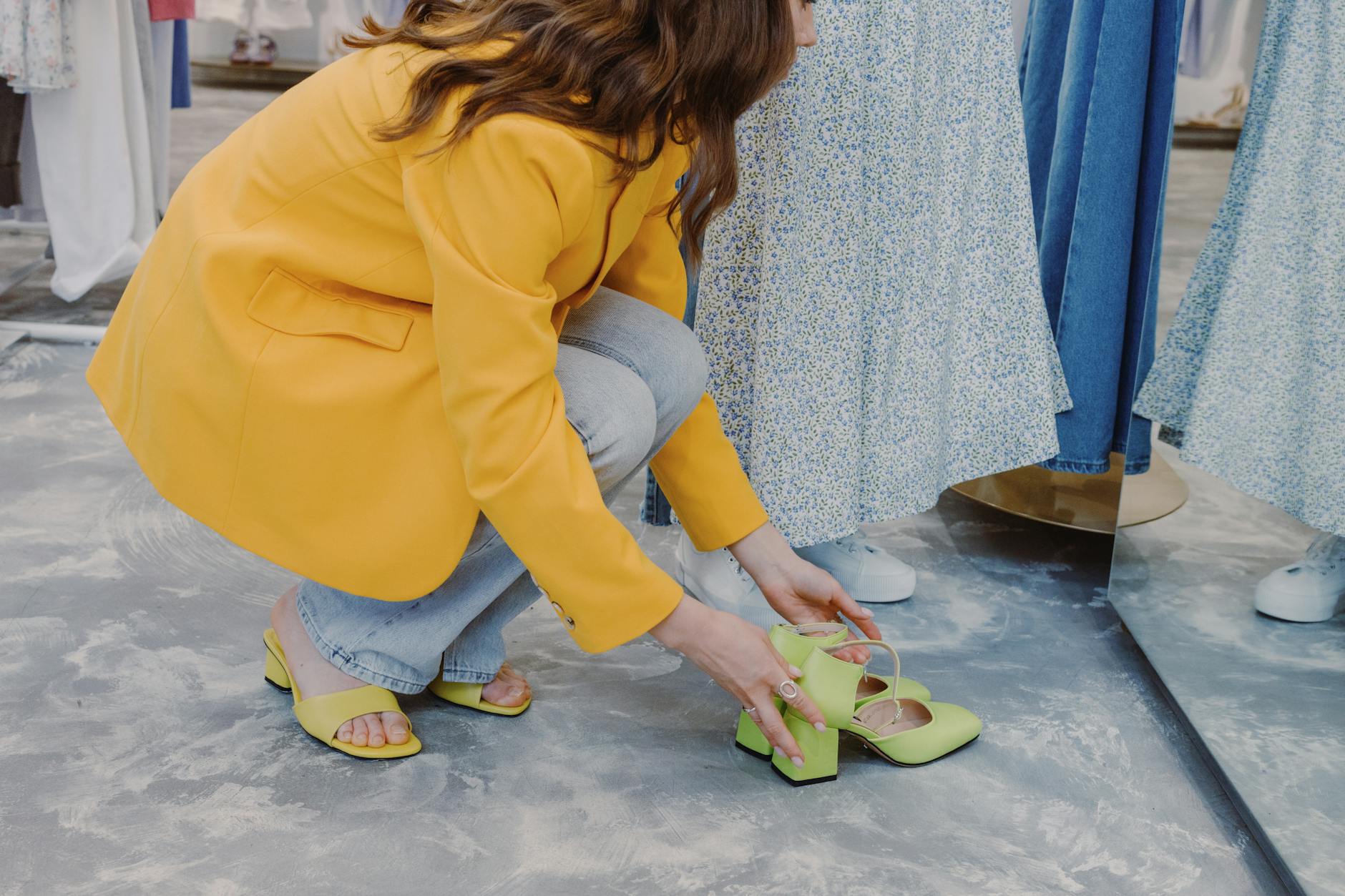
The Fitting Room Was Built to Sell You Something — And It's Been Working Ever Since
There's a moment most shoppers know well. You bring a stack of clothes into a fitting room, try something on, and even though you walked in telling yourself you were "just looking," you walk out with a bag. It feels like a personal decision. It feels like you simply found something you liked.
It is not entirely a personal decision. That moment was engineered — and the engineering started over a century ago.
Shopping Wasn't Always Like This
For most of human commercial history, buying clothes was a simple, transactional exchange. You went to a merchant, you pointed at fabric or a finished garment, you agreed on a price, and you left. Trying things on wasn't part of the process. In many early retail environments, it wasn't even an option. The idea that a customer might step into a private space to physically inhabit a garment before purchasing it was, for a long time, simply not how things worked.
The shift began in the mid-to-late 19th century, as department stores started to reshape what shopping could be. These were enormous, theatrical spaces — the first of their kind — that treated retail as an experience rather than a transaction. And among the people most responsible for turning that philosophy into a science was a man named Harry Gordon Selfridge.
The Man Who Invented Modern Shopping
American-born Selfridge cut his teeth at Marshall Field's in Chicago, where he rose to become the store's general manager and developed a deep, almost obsessive interest in the psychology of the shopping experience. He paid attention to how customers moved through a store, what made them linger, what made them leave, and what made them spend.
He noticed something important: customers who touched and interacted with merchandise were significantly more likely to buy it. The physical engagement created a sense of ownership before the purchase was made — a psychological phenomenon that behavioral economists would later describe in precise terms, but which Selfridge understood intuitively through observation.
When Selfridge eventually left America to open his own flagship department store in London in 1909, he brought these insights with him and pushed them further. The fitting room — a private space where a customer could not just touch a garment but actually wear it, see themselves in it, and feel what it would be like to own it — was one of the most powerful tools in his arsenal.
The Mirror Knows What It's Doing
Early fitting rooms were not designed neutrally. The details were deliberate. Lighting was warm and flattering, smoothing out the harsh overhead fluorescence of the main sales floor. Mirrors were angled — sometimes very subtly — to elongate the figure and create a slightly more favorable reflection than a person might see at home. Curtains and private enclosures created a sense of intimacy and separation from the bustle of the store floor, giving customers the psychological space to imagine themselves outside the store, in their real lives, wearing the item.
These weren't accidental design choices. They were calculated to reduce friction between desire and purchase. Once you've seen yourself in something, once you've felt the fabric and stood in the shoes, the mental gap between "considering" and "owning" gets very small. The fitting room existed to close that gap.
Retailers also understood early on that the time a customer spent in a fitting room was valuable in another way: it was time they weren't leaving the store. A shopper trying on clothes is a shopper who hasn't walked out the door yet. Sales staff who checked in during the process could offer alternative sizes, suggest complementary items, and gently steer the customer toward a decision.
The Science That Caught Up With the Instinct
What Selfridge and his contemporaries understood through intuition, researchers eventually confirmed through study. The concept of the "endowment effect" — the idea that people place higher value on things they feel they already possess — goes a long way toward explaining why fitting rooms work. The moment you pull on a jacket and look in the mirror, your brain starts processing that jacket as something you own rather than something you're evaluating. Returning it to the rack begins to feel, subtly, like a loss.
Modern retail has taken this understanding and run with it. Store layouts are designed to funnel shoppers toward fitting rooms. The number of items you're allowed to bring in at once is calibrated (too few and you don't get invested; the rules about limits are partly about loss prevention, but the fitting room experience itself is about engagement). Lighting continues to be one of the most heavily studied elements of retail design, with brands spending significant resources on getting it exactly right.
From Curtain to Camera
The fitting room concept didn't stop at the physical store. When e-commerce arrived and retailers worried about losing the try-on advantage of brick-and-mortar shopping, they built digital versions of the same idea. Virtual try-on tools, augmented reality features that let you see how a shoe looks on your actual foot through your phone camera, and generous return policies that let you order multiple sizes and try them at home — all of these are direct descendants of Selfridge's curtained booth.
The logic is identical: get the product into the customer's hands, or onto their body, and the probability of purchase climbs sharply. The medium has changed. The psychology hasn't.
A Room With an Agenda
None of this means you've been manipulated into buying things you don't actually like. The fitting room does serve a genuine purpose — knowing whether something fits before you buy it is useful, and the industry would argue that it reduces returns and customer dissatisfaction. Both things can be true at once.
But the next time you step into that softly lit booth and find yourself thinking, "actually, this looks pretty good" — it's worth knowing that someone designed that moment very carefully, over a hundred years ago, to make you think exactly that.