The Shoe That Started as a Victorian Spy Tool
The Shoe That Started as a Victorian Spy Tool
Every morning, millions of Americans lace up their sneakers without a second thought. From basketball courts to boardrooms, these rubber-soled shoes have become the universal footwear of choice. But the sneaker's origin story reads like something out of a spy novel — because that's essentially what it was.
When Silence Was Golden
In the 1860s, wealthy English landowners faced a persistent problem: poachers. These trespassers would sneak onto private estates under cover of darkness to hunt game, and traditional leather-soled shoes made too much noise on gravel paths and wooden floors. The wealthy needed a way to patrol their property without announcing their presence.
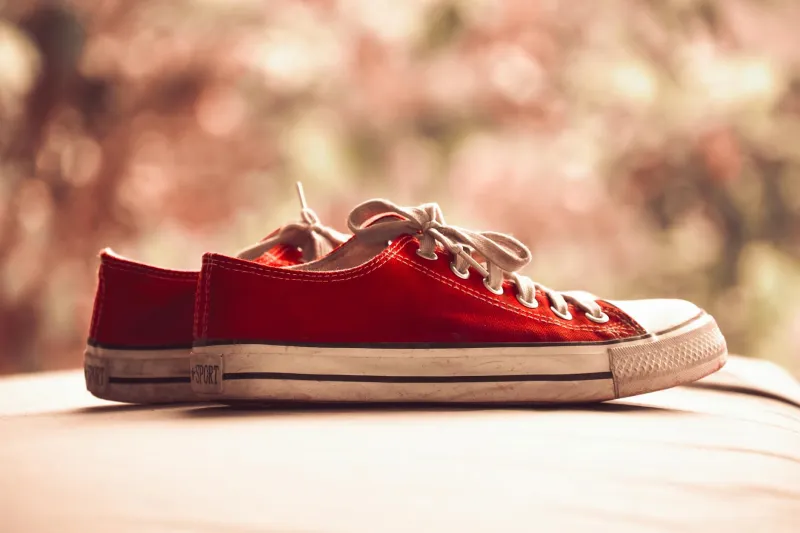
Enter the Liverpool Rubber Company, which in 1876 created what they called "sand shoes" — canvas uppers attached to flexible rubber soles. The rubber eliminated the telltale click-clack of leather on stone, allowing estate owners and their gamekeepers to move like ghosts through their own property. The name "sneakers" wasn't marketing genius; it was a literal description of their purpose.
From Estates to Athletics
The transition from surveillance tool to athletic gear happened almost by accident. In the 1880s, American physical education instructors discovered that these quiet English shoes were perfect for gymnasium floors. Unlike hard leather soles that scuffed and slipped, rubber soles gripped wooden floors and didn't leave marks.
The first major American manufacturer to capitalize on this was the U.S. Rubber Company, which launched Keds in 1916. But it was Converse that really changed the game. In 1917, they introduced the All Star basketball shoe, and by 1923, basketball player Chuck Taylor had become so associated with the brand that his name went on every pair.
The Great American Contradiction
Here's where the story gets beautifully ironic. A shoe designed to help the wealthy maintain control over their property became the symbol of everything that challenged authority in America. By the 1950s, teenagers were wearing sneakers as a form of rebellion against dress codes that demanded "proper" leather shoes.
James Dean didn't just wear sneakers in "Rebel Without a Cause" — he wore the descendants of Victorian spy shoes. The same rubber sole technology that once helped English aristocrats catch poachers was now helping American teenagers sneak out of houses and into rock concerts.
The Athletic Revolution
The 1970s marked sneakers' transformation from casual rebellion to serious business. Nike's founding in 1971 and the introduction of the waffle sole changed everything. What started as a tool for silent surveillance had evolved into precision athletic equipment.
Michael Jordan's partnership with Nike in 1984 completed the sneaker's journey from function to fashion. The Air Jordan line proved that sneakers could be luxury items, status symbols, and cultural artifacts all at once. Kids who couldn't afford $100 basketball shoes were wearing the great-great-grandchildren of shoes designed to catch their ancestors breaking the law.
The Modern Sneaker Empire
Today's $70 billion global sneaker industry would be unrecognizable to those Victorian estate owners. Limited edition drops create lines around city blocks. Sneaker conventions draw thousands of collectors. Some rare pairs sell for more than luxury cars.
Yet the fundamental technology remains surprisingly similar. Modern sneakers still use rubber soles for traction and silence — though now that silence helps basketball players pivot on hardwood rather than landowners prowl through darkness.
Hidden in Plain Sight
The next time you slip on a pair of sneakers, remember you're wearing the refined descendants of Victorian surveillance equipment. Those rubber soles that help you jog through your neighborhood once helped English aristocrats protect their property from trespassers.
It's the perfect metaphor for American culture: taking tools of the elite and democratizing them into symbols of freedom, athleticism, and self-expression. The sneaker's journey from English estates to global phenomenon proves that sometimes the most revolutionary changes come from the most unexpected places.
What makes this story even more remarkable is that we've completely forgotten the sneaker's original purpose. Millions wear them daily, never knowing they're walking in the footsteps of Victorian-era surveillance technology. The shoe that was designed to catch people doing something wrong became the footwear of choice for people doing everything right — from winning Olympic gold to changing the world, one silent step at a time.