From Battlefield to Box Office: How Hollywood Stole the Military's Most Practical Coat
When Function Met Fashion's Greatest Accident
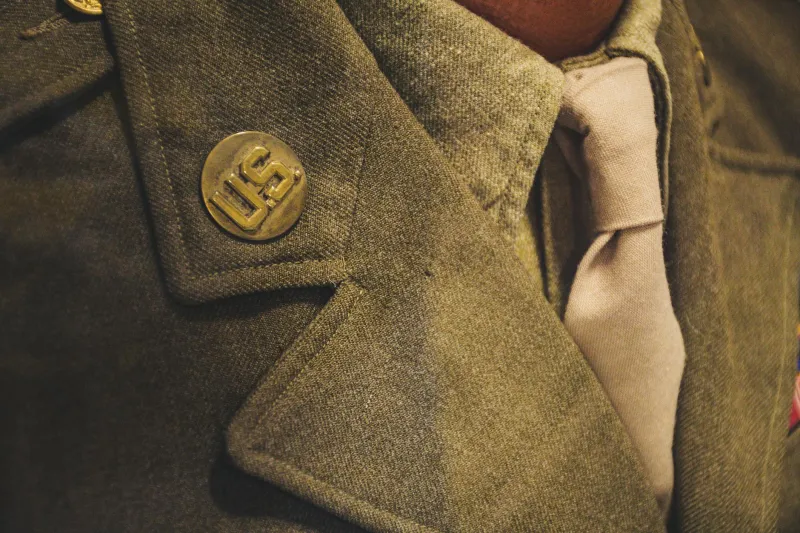
In 1914, British officers trudging through the muddy hellscape of Belgian battlefields had one major problem: their wool coats were killing them. Not from enemy fire, but from the weight of water they absorbed, turning soldiers into walking sponges who could barely move. Enter Thomas Burberry, a draper from Basingstoke who had been quietly revolutionizing outerwear with a fabric he called gabardine — a tightly woven cotton that repelled water while letting air through.
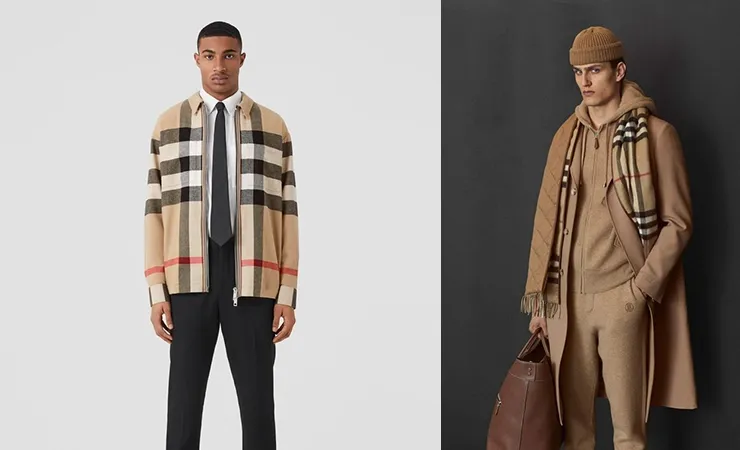 Photo: Thomas Burberry, via fashiongtonpost.com
The British War Office commissioned Burberry to create the ultimate military coat. What emerged was pure function: a double-breasted design that could be buttoned up tight against gas attacks, epaulettes for rank insignia, D-rings for equipment, and a belt that could cinch everything down. The "trench coat" got its name from exactly where it was worn — the muddy, rat-infested trenches that carved up Europe.
The Surplus That Changed Everything
When the war ended in 1918, Britain faced an unusual problem: thousands of unused trench coats sitting in military warehouses. These weren't just any surplus — they were expertly crafted garments made from the finest materials, originally intended for officers. Rather than let them rot, the government sold them to civilian retailers at rock-bottom prices.
Suddenly, ordinary people could afford what had been exclusive military gear. The coats hit American department stores in the 1920s, marketed not as army surplus but as sophisticated European fashion. Burberry and Aquascutum, another British manufacturer, began producing civilian versions, keeping the military details that made the coats distinctive but adding touches of elegance.
Hollywood's Accidental Romance
The trench coat might have remained just another piece of practical outerwear if not for a series of cinematic accidents in the 1940s. When costume designers needed something for actors to wear in film noir movies — stories that often took place in dark, rainy streets — the trench coat was perfect. It looked serious, it moved well on camera, and it had enough pockets for props.
Humphrey Bogart's Rick Blaine wore one in "Casablanca" (1942), but it was really just wardrobe convenience. The coat happened to suit Bogart's character — world-weary, practical, slightly mysterious. Audiences connected the dots themselves, reading romance and danger into what was essentially a raincoat.
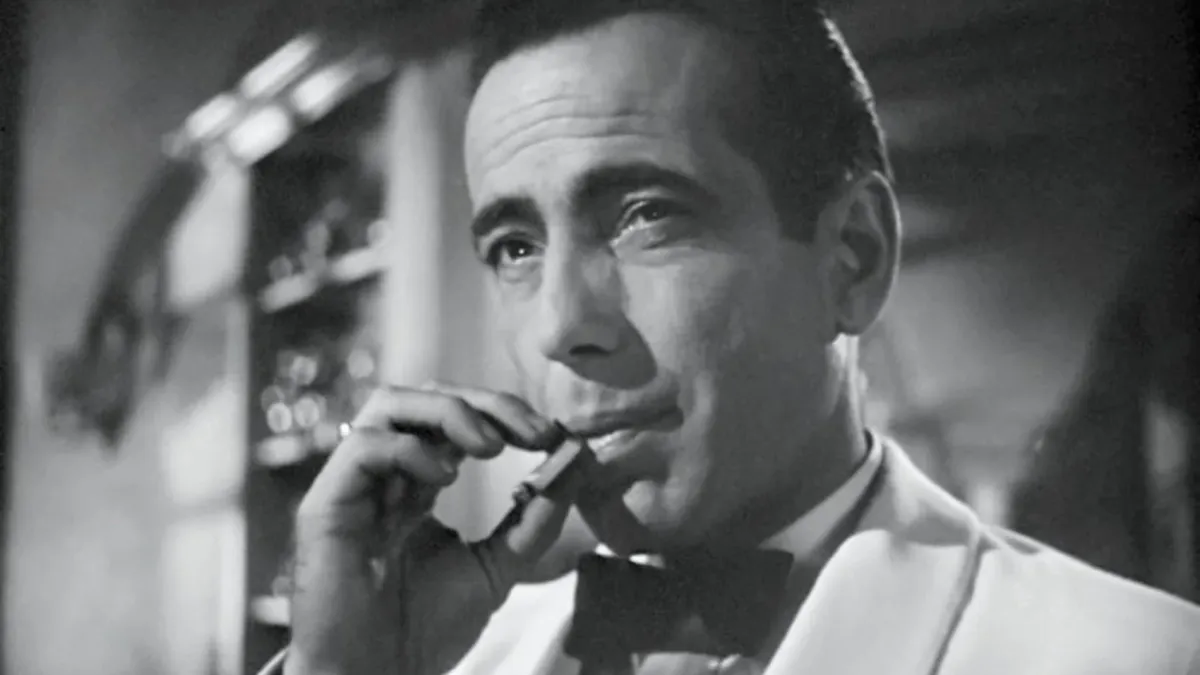 Photo: Humphrey Bogart, via engineersblog.net
The Transformation Nobody Planned
By the 1950s, something strange had happened. The trench coat had become shorthand for a certain kind of character: the private detective, the mysterious stranger, the sophisticated woman with secrets. It showed up on everyone from Ingrid Bergman to Peter Sellers, always carrying the same subtext of hidden depths and quiet confidence.
The fashion industry noticed. What had been a practical garment was now a symbol, and symbols sell. Designers began playing with the proportions, adding feminine touches, creating variations in different fabrics. The military details that had once served specific functions — those D-rings, that storm flap, the throat latch — became decorative elements that whispered "adventure" and "sophistication."
Why It Worked So Well
The trench coat's accidental journey from battlefield to red carpet succeeded because it solved a fundamental fashion problem: how to look put-together without trying too hard. The military origins gave it authority and seriousness, while the Hollywood associations added glamour and mystery. It was formal enough for business but casual enough for weekend wear.
More importantly, it worked on almost everyone. The loose cut flattered different body types, the neutral colors went with everything, and the adjustable belt meant one size could fit many. In an era when fashion was becoming more democratic, the trench coat was perfectly positioned as accessible luxury.
The Legacy of Accidental Cool
Today, the trench coat remains virtually unchanged from its World War I design. Those same military details that kept officers alive in Belgian trenches — the storm flap, the gun patch, the D-rings — are still there, now serving as fashion statements rather than life-saving features.
Every time someone throws on a trench coat to look effortlessly sophisticated, they're wearing a piece of military engineering that Hollywood accidentally turned into a symbol of romance. It's a reminder that the best fashion stories aren't planned — they're discovered, often decades after the original purpose has been forgotten.
The trench coat proves that sometimes the most enduring style comes not from trying to be fashionable, but from solving a completely different problem so well that fashion can't help but take notice.