The Bow Tie Was Born on a Battlefield — So Why Did It End Up on Professors and Hipsters?

Photo by Gift Habeshaw on Unsplash
There is something about a bow tie that demands an explanation. You don't just wear one — you make a decision. And once you're wearing it, people want to know why. Are you a professor? A jazz musician? A guy who's watched too many old movies? A wedding guest who went a little sideways with the dress code?
The bow tie carries more social weight per square inch of fabric than almost any other accessory in American dress. It signals something, even when the wearer isn't sure exactly what. And the backstory behind that signal is considerably more violent than the finished product suggests.
It Started the Same Way the Necktie Did
In the 1630s, France was hiring Croatian mercenaries to fight in the Thirty Years' War. These soldiers wore a length of cloth knotted loosely around the neck — not as decoration, but as a practical fastener to keep their shirt collars in place during combat. The French, who had a gift for turning other people's functional habits into fashion statements, noticed the look and liked it.
By the time King Louis XIV was wearing a lace cravat at Versailles, the Croatian soldier's battlefield collar-tie had been absorbed into European aristocratic dress. This is the origin story most people know about the necktie. What's less often told is that the bow tie branched off from the exact same moment.
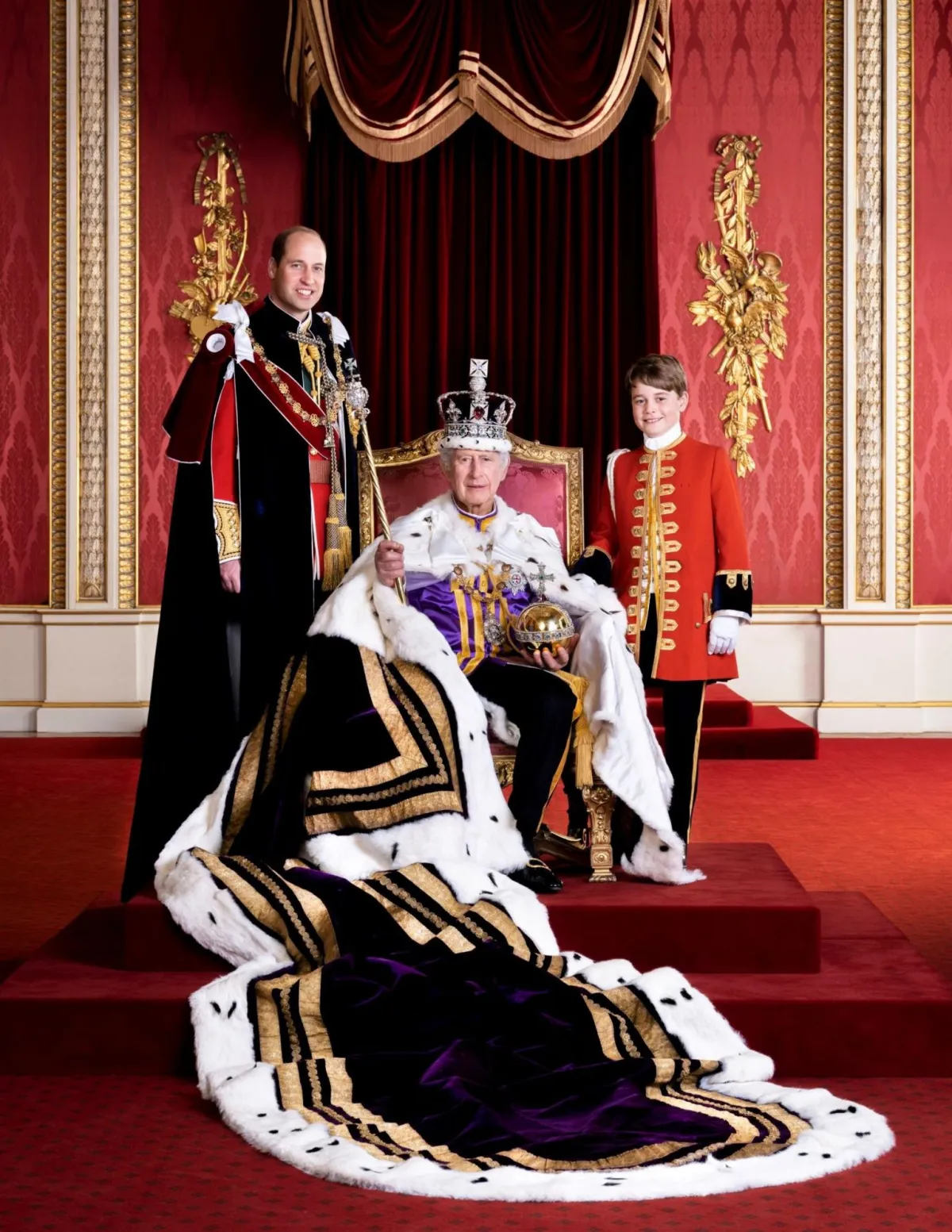 Photo: King Louis XIV, via ichef.bbci.co.uk
As the cravat evolved through the 17th and 18th centuries, different tying styles emerged. Some were long and draped. Others were tied into a neat, symmetrical knot at the front — something closer to what we'd recognize today as a bow tie. By the early 19th century, the bow tie had developed its own distinct identity, separate from the long-hanging cravat that would eventually become the modern necktie.
The Ballroom Years
For most of the 1800s, the bow tie occupied a specific social register: formal, European-influenced, and associated with the kind of men who attended opera and argued about wine. In America, it showed up at upper-class dinners and on the chests of men who wanted to signal that they knew how things were done in the better parts of the world.
The tuxedo — introduced to American formal wear in the 1880s — made the bow tie its official companion. If you were wearing black tie, you were wearing a bow tie. This association with formal dress gave the bow tie a kind of dual identity that would define it for the next century: it was simultaneously the most formal neckwear a man could wear and, when worn outside that context, something eccentric and deliberate.
Wearing a bow tie to a black-tie dinner was expected. Wearing one to the office on a Tuesday was a statement.
The Coding of the Bow Tie in American Culture
By the early 20th century, the bow tie had found a specific home in American cultural life: the intellectual. Academics, doctors, architects, and journalists adopted it as a kind of professional uniform. There was a practical logic to this — unlike a long necktie, a bow tie doesn't dangle into your lunch, your microscope, or your patient's face. But the practical explanation only goes so far. The bow tie also communicated something: I am a person who thinks carefully about things, including, apparently, my collar.
Figures like Winston Churchill, Albert Einstein, and later Bill Nye made the bow tie shorthand for a certain kind of serious-but-approachable expertise. In American pop culture, it became the accessory of the kindly professor, the small-town doctor, the newspaper editor with strong opinions about the Oxford comma.
 Photo: Albert Einstein, via img.freepik.com
Then the 1960s happened, and the bow tie largely fell off the mainstream radar.
The Long Slide and the Quiet Comeback
As American men's fashion loosened up through the 1960s and into the 1970s, the bow tie's association with formality and tradition started working against it. The long necktie — slimmed down and worn with open collars — felt modern. The bow tie felt like your grandfather's insurance agent.
For roughly three decades, the bow tie existed mostly in two places: formal black-tie events and the wardrobes of men who were consciously cultivating an old-fashioned image. It wasn't dead, exactly. It was just waiting.
The comeback, when it came, was driven by the same logic that had always defined bow tie culture: deliberate differentiation. In the early 2000s, as the hipster aesthetic began reshaping American urban fashion, the bow tie re-emerged as a badge of intentional nonconformity. Wearing one said, essentially, I know this isn't what everyone else is doing, and that's precisely the point.
This was especially visible in Black American style, where the bow tie had maintained a consistent presence through the Nation of Islam's formal dress code and had become associated with a specific kind of dignified, self-conscious elegance. That tradition fed directly into the bow tie's broader cultural resurgence.
By the 2010s, the bow tie was showing up on fashion runways, in wedding parties, and on the necks of baristas who also played in bands.
What the Bow Tie Is Actually Saying
The necktie's social meaning is fairly stable: professional, formal, conventional. The bow tie's meaning has always been less fixed — it shifts depending on context, decade, and who's wearing it. That instability is, arguably, the whole point.
A Croatian soldier knotting cloth around his collar before a battle in 1630 had no idea he was starting something. He was just trying to keep his shirt closed. Four centuries later, the gesture he started is still being made — just with considerably more self-awareness, and considerably better fabric.