When Purple Meant Power: The Chemistry Student Who Accidentally Launched a Fashion Revolution
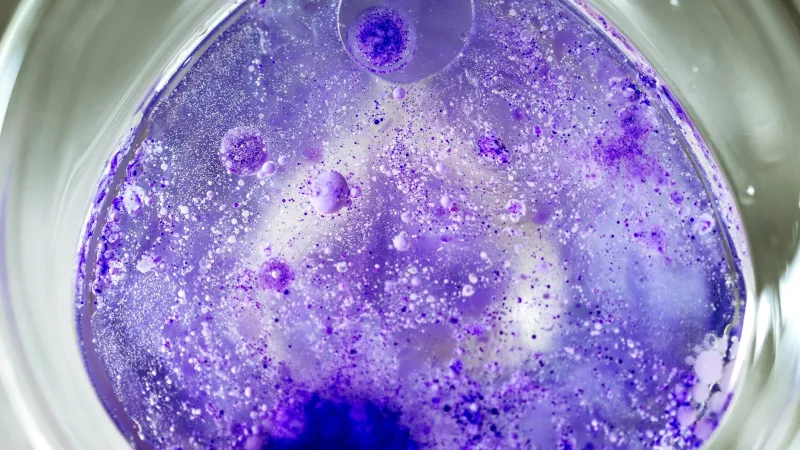
William Perkin was supposed to be studying for his final exams at the Royal College of Chemistry in London when he decided to tackle one of medicine's biggest challenges: creating synthetic quinine to treat malaria. It was Easter break, 1856, and the 18-year-old was working alone in his makeshift laboratory at home, mixing coal tar derivatives in glass beakers.
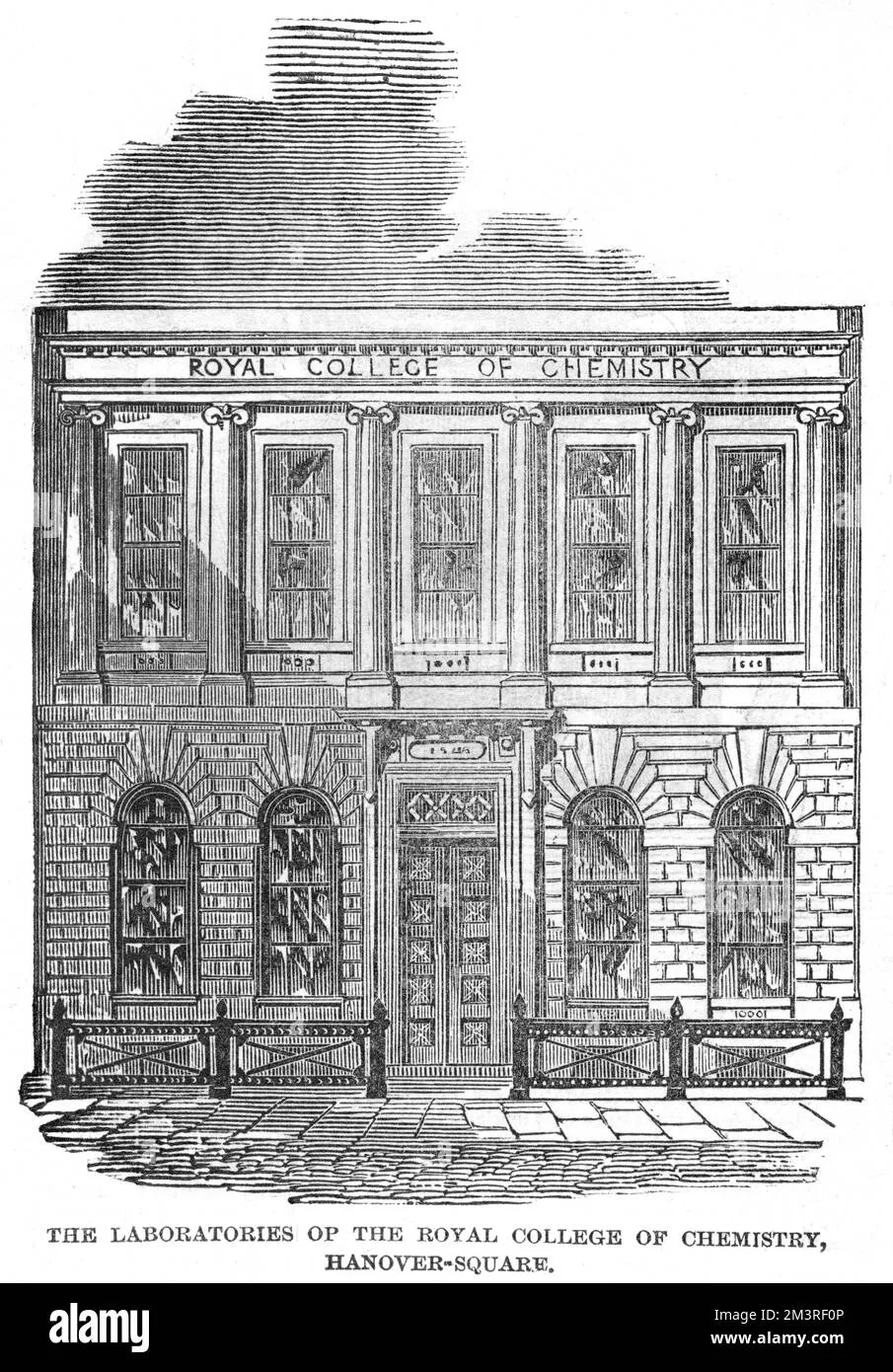 Photo: Royal College of Chemistry, via c8.alamy.com
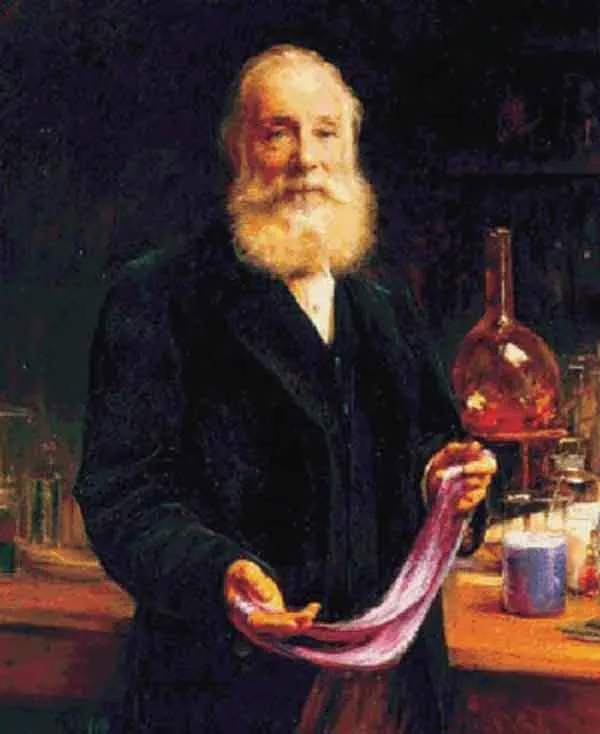 Photo: William Perkin, via 3.bp.blogspot.com
What happened next would reshape the entire fashion industry, though Perkin had no way of knowing it at the time.
The Spill That Changed Everything
Perkin's experiment failed spectacularly. Instead of the clear, medicinal compound he was hoping for, his beaker filled with a dark, sticky mess that looked like industrial waste. Most students would have dumped it down the drain and started over. But when Perkin tried to clean his equipment with alcohol, something extraordinary happened—the black sludge dissolved into the most brilliant purple anyone had ever seen.
This wasn't just any purple. For thousands of years, purple dye had come exclusively from murex shells found in the Mediterranean, requiring roughly 10,000 shells to produce enough dye for a single Roman toga. The process was so expensive that purple became literally reserved for royalty—hence the phrase "born to the purple."
Perkin had just accidentally created the world's first synthetic dye, and it was the exact color that had been a symbol of ultimate wealth and power since ancient times.
From Laboratory to Palace
Perkin immediately recognized what he had stumbled upon. He sent fabric samples dyed with his creation to a major dyeing company, and their response was immediate: they wanted to buy as much as he could produce. But the real validation came from an unexpected source.
Queen Victoria saw the color—which Perkin had named "mauveine" after the French word for mallow flower—and declared it her new favorite. When the Queen of the British Empire started wearing synthetic purple to state functions, the entire aristocracy followed. Within months, what the press dubbed "mauve mania" had swept across Europe and jumped the Atlantic to America.
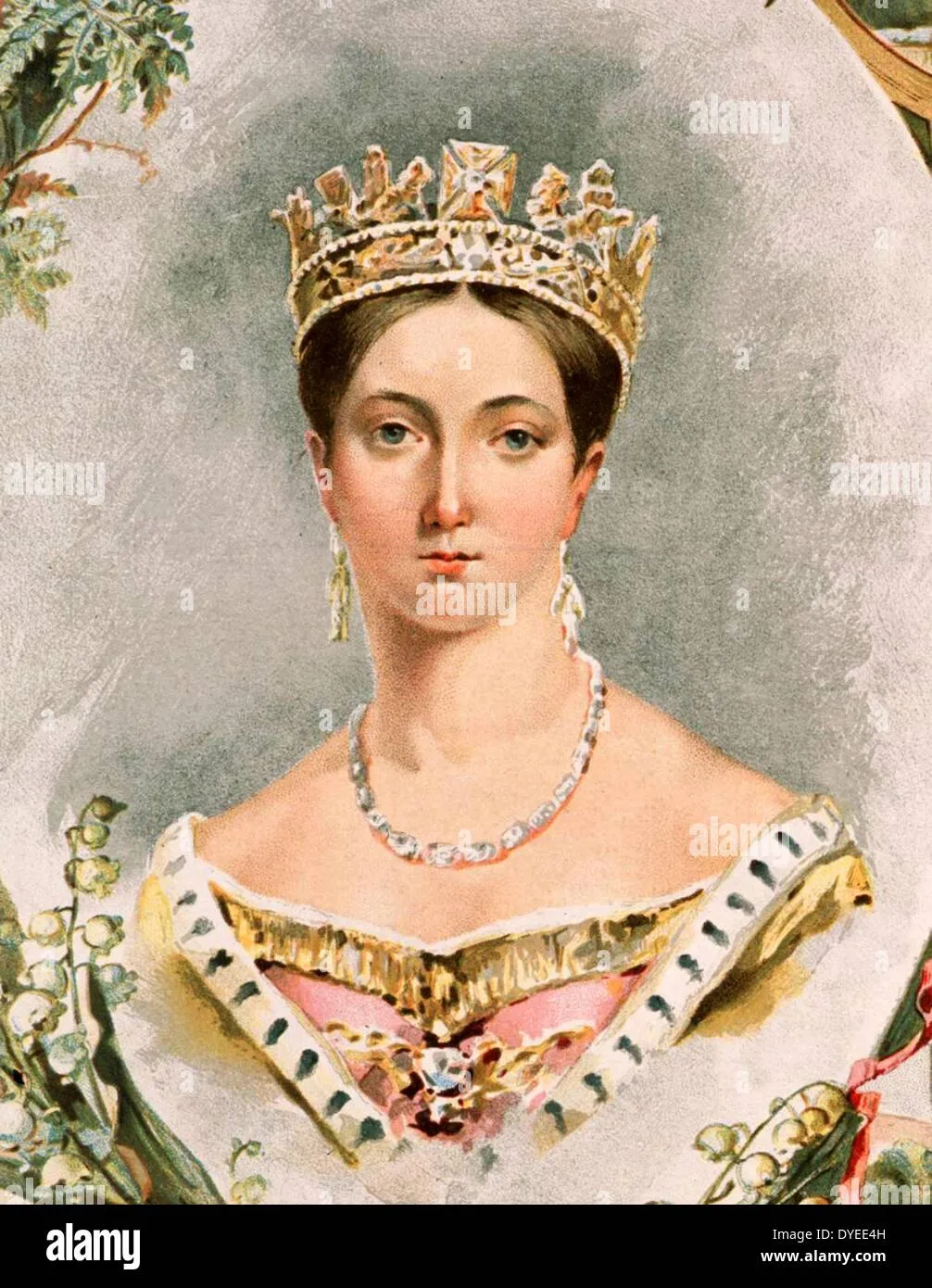 Photo: Queen Victoria, via c8.alamy.com
Suddenly, ordinary middle-class Americans could afford to wear the color of emperors. Department stores in New York and Philadelphia couldn't keep purple fabric in stock. Women who had spent their entire lives wearing browns, grays, and faded blues could walk into a store and buy brilliant purple ribbon, purple gloves, purple bonnets.
The Birth of the Chemical Age
Perkin dropped out of college, borrowed money from his father, and opened a dye factory. He was 19 years old. Within a decade, his purple had made him wealthy enough to retire, but more importantly, it had proven that chemistry could create entirely new industries overnight.
American textile manufacturers quickly realized they didn't need to import expensive natural dyes anymore. Chemists across the country began experimenting with coal tar, creating new colors faster than fashion magazines could name them. Bright reds, electric blues, vivid greens—colors that had never existed in nature were suddenly hanging in every wardrobe.
The psychological impact was profound. For the first time in human history, ordinary people could dress in colors that had previously been impossible to obtain. Fashion became democratic in a way it had never been before.
The Color Revolution That Never Stopped
By the 1870s, synthetic dyes had completely transformed American fashion. Women's magazines that had once featured pages of muted earth tones suddenly exploded with color. The California Gold Rush had made some people wealthy, but Perkin's purple had made color itself affordable for everyone.
The ripple effects extended far beyond clothing. Synthetic dyes led to synthetic medicines, synthetic plastics, and eventually the entire modern chemical industry. Companies like DuPont and Dow Chemical can trace their origins back to chemists trying to replicate what that British teenager had achieved by accident.
Today, every piece of colored clothing in your closet owes its existence to Perkin's failed malaria experiment. That bright red t-shirt, those navy blue jeans, even the "natural" looking beige in your favorite sweater—none of those colors would exist without synthetic chemistry.
The Accident That Rewrote the Rules
Perkin's discovery did more than just add color to American wardrobes—it fundamentally changed how people thought about what they could wear. Before 1856, your social status was immediately visible in the colors you could afford. After 1856, a factory worker could wear purple to church on Sunday and look as regal as any millionaire.
The democratization of color might seem like a small thing now, but it represented a massive shift in social mobility and self-expression. When anyone could afford to dress in the colors of royalty, the visual language of class distinction had to find new symbols.
So the next time you're standing in your closet deciding what to wear, remember that nearly every color option you have exists because an 18-year-old chemistry student in Victorian London was terrible at following directions. Sometimes the most important discoveries happen when experiments go exactly wrong.