The Little Black Dress Survived Everything: Depression, War, and Fashion Trends That Should Have Killed It
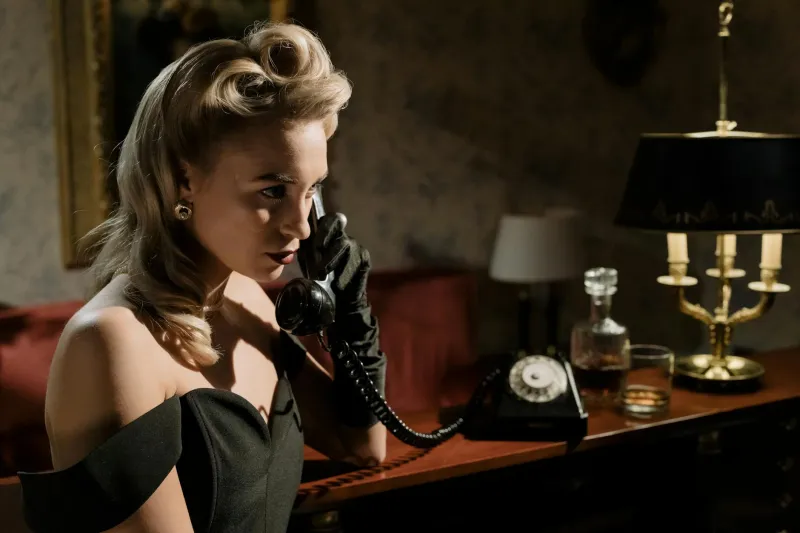
There's no creation myth for the little black dress. No eureka moment in a designer's studio, no celebrity endorsement that launched it to fame, no marketing campaign that convinced American women they needed one. Instead, the LBD earned its place in closets across the country by doing something much more impressive: it survived everything the 20th century threw at it.
While fashion magazines spent decades trying to kill it off in favor of newer trends, ordinary women kept reaching for their black dresses when nothing else would do. The real story isn't about who designed it—it's about why it refused to disappear.
The Color of Necessity
Black clothing in America had spent centuries carrying heavy symbolic weight. It was the color of mourning, of servants' uniforms, of Puritan restraint. Well into the early 1900s, respectable women wore black primarily to signal loss or to blend into the background of wealthy households where they worked.
But the Great Depression changed everything about how Americans thought about their wardrobes. Suddenly, practicality trumped propriety. Women who had once owned closets full of light-colored dresses that showed every stain and required frequent washing found themselves gravitating toward darker options that could hide wear and stretch clothing budgets.
Black dresses became survival gear. They could be dressed up for church with a string of pearls, dressed down for work with a simple cardigan, and worn to evening events with the right accessories. Most importantly, they looked appropriate in almost any situation—a crucial advantage when you couldn't afford multiple outfits for different occasions.
War and Rationing
World War II should have been the death of the little black dress. Fabric rationing meant shorter hemlines, simplified designs, and restrictions on decorative elements. The War Production Board actually banned certain types of clothing construction to save materials for the war effort.
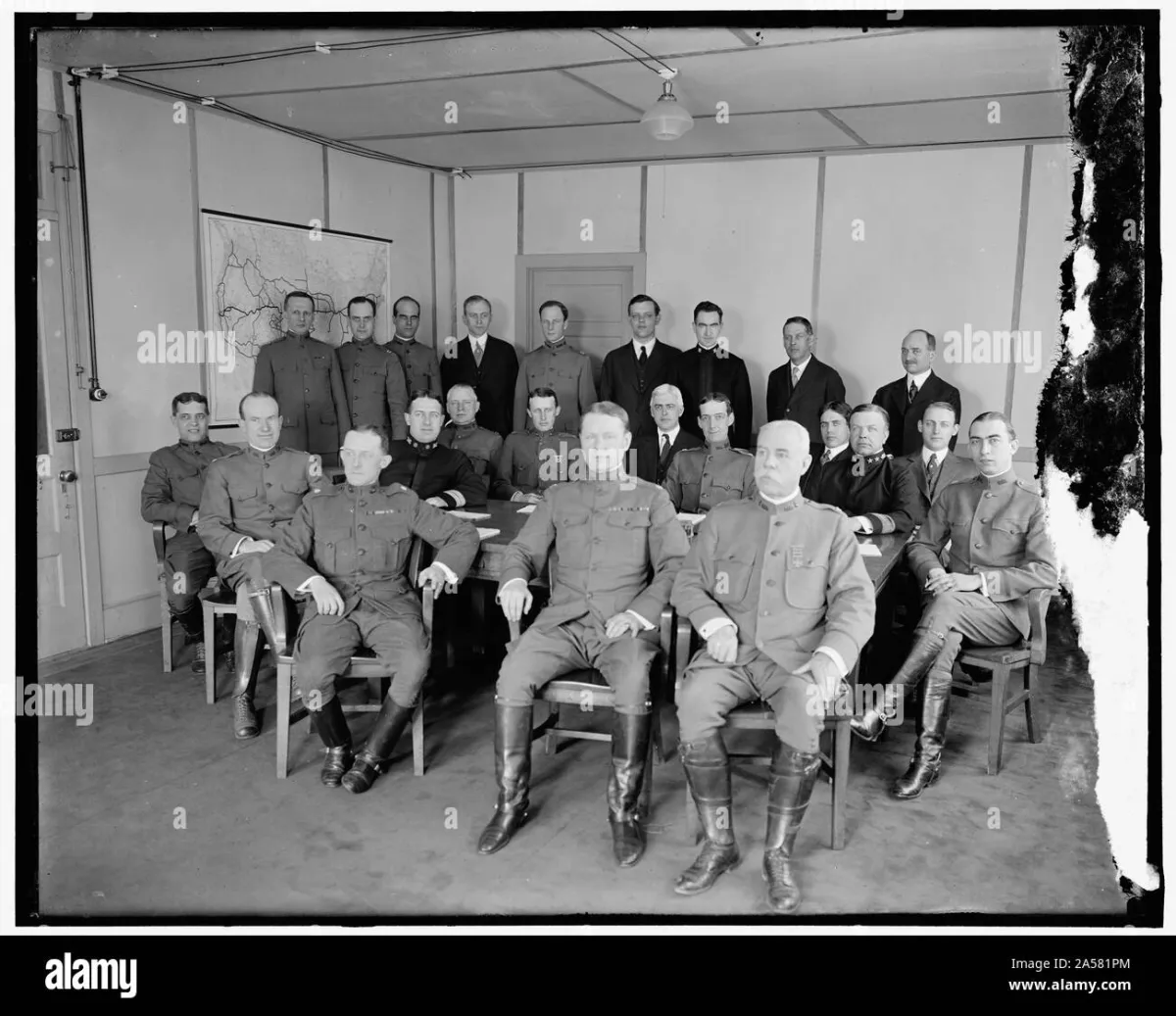 Photo: War Production Board, via c8.alamy.com
Instead, rationing made black dresses even more essential. With limited fabric available, women needed garments that would work in multiple contexts and last for years. Black dresses delivered on both counts. They didn't show dirt as easily as lighter colors, they could be accessorized differently for different occasions, and they never looked dated the way trend-driven pieces did.
American women working in defense plants discovered that black dresses were perfect for after-work social events. They could change from factory clothes into a black dress, add lipstick and victory rolls, and be ready for dancing at the USO club. The dress that had once symbolized mourning had become a symbol of resilience.
The Fashion Industry's Resistance
Throughout the 1950s and 1960s, fashion magazines and designers repeatedly declared the little black dress "boring" and tried to convince American women to embrace more colorful, trend-driven alternatives. Vogue ran features on "alternatives to basic black," and designers like Christian Dior pushed elaborate, colorful creations that required seasonal updates.
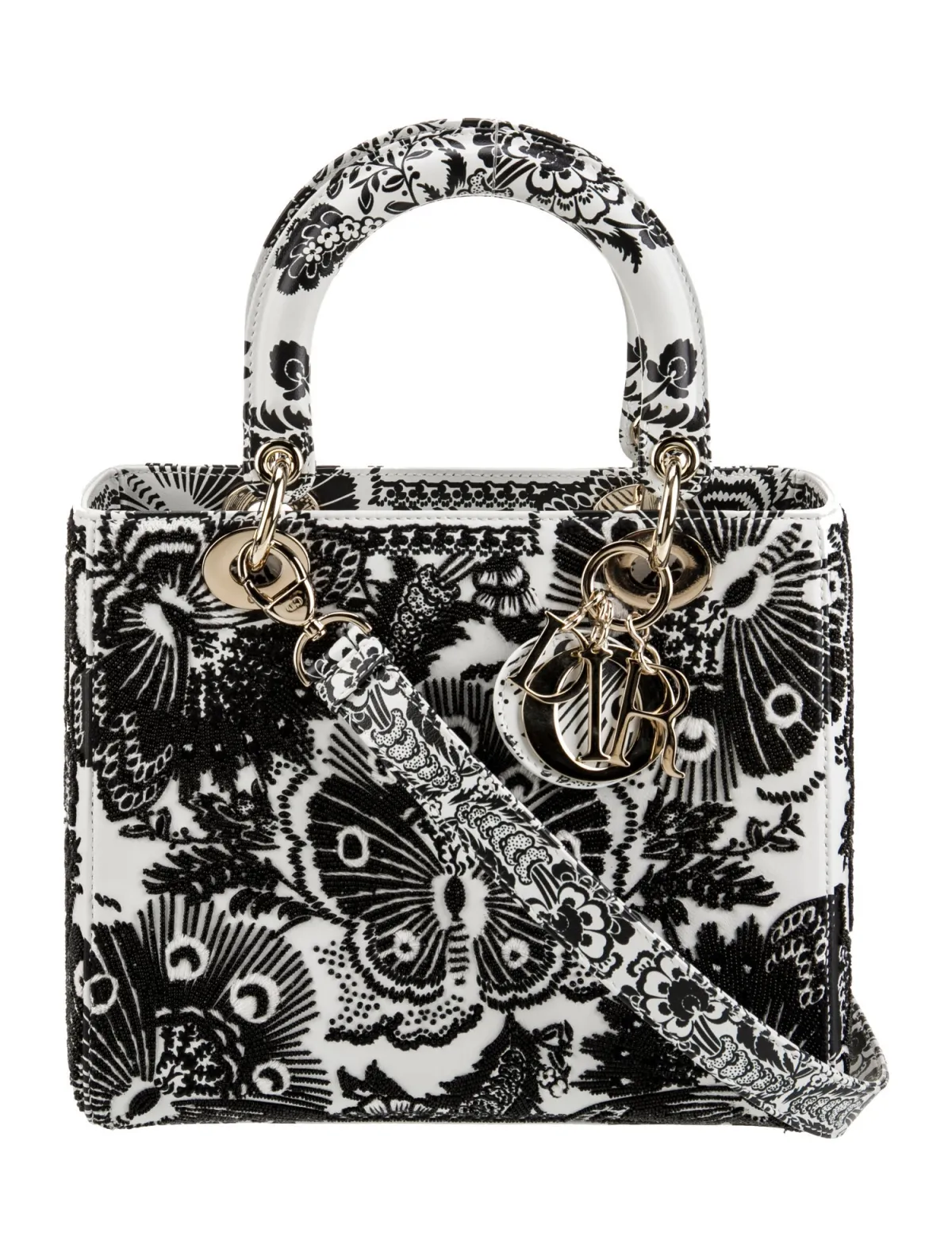 Photo: Christian Dior, via product-images.therealreal.com
But women weren't buying it—literally. Department store sales data from the era consistently showed that black dresses outsold trendy alternatives, especially among working women. Store buyers learned to stock black dresses year-round, regardless of what fashion magazines were promoting.
The disconnect between fashion industry messaging and actual purchasing behavior was stark. While magazines featured elaborate colored ensembles on their covers, the advertisements inside were full of simple black dresses because that's what actually sold.
The Working Woman's Uniform
As more American women entered the workforce throughout the latter half of the 20th century, the little black dress evolved into something like an unofficial uniform for professional women. It solved multiple wardrobe problems simultaneously: it looked serious enough for business meetings, appropriate for office parties, and could transition from day to evening with minimal effort.
Unlike other "uniform" pieces that felt restrictive, the black dress offered flexibility. A woman could own three black dresses and create dozens of different looks depending on how she styled them. This was particularly important for women entering male-dominated professions, where clothing choices were scrutinized and criticized.
The black dress allowed professional women to be simultaneously invisible and polished—to fit in without standing out, to look put-together without appearing to try too hard.
The Trend That Wouldn't Die
Every decade brought new fashion movements that should have made the little black dress obsolete. The colorful psychedelia of the 1960s, the earth tones of the 1970s, the power suits of the 1980s, the grunge aesthetic of the 1990s—each represented a complete rejection of the simple, classic black dress.
Yet sales data shows that black dresses never disappeared from American closets. Even during peak trend periods, women continued buying and wearing them. The LBD had become fashion-proof.
This wasn't because women lacked imagination or style awareness. It was because they had learned, through decades of economic uncertainty and social change, that the black dress was reliable in ways that trendy pieces weren't. When you weren't sure what to wear, when you needed to look appropriate but couldn't afford to be wrong, when you wanted to feel confident without calling attention to yourself, the black dress delivered.
The Democracy of Black
Perhaps most importantly, the little black dress became one of the few truly democratic pieces in American fashion. Unlike trendy items that required specific body types or significant budgets to look "right," black dresses worked for everyone. They were available at every price point, flattering on different body types, and appropriate for women of all ages.
This universality was crucial to its survival. The black dress didn't belong to any particular demographic or economic class—it belonged to anyone who needed a reliable, versatile piece of clothing.
Today, when fashion moves faster than ever and trends cycle through social media at lightning speed, the little black dress remains exactly what it's always been: the garment you reach for when everything else feels like too much work. It survived because it solved real problems for real women, not because anyone decided it should be a classic.
In a closet full of choices, sometimes the most radical thing you can wear is something that simply works.