The Creepy Evolution of Store Mannequins: From Death Masks to Beauty Standards
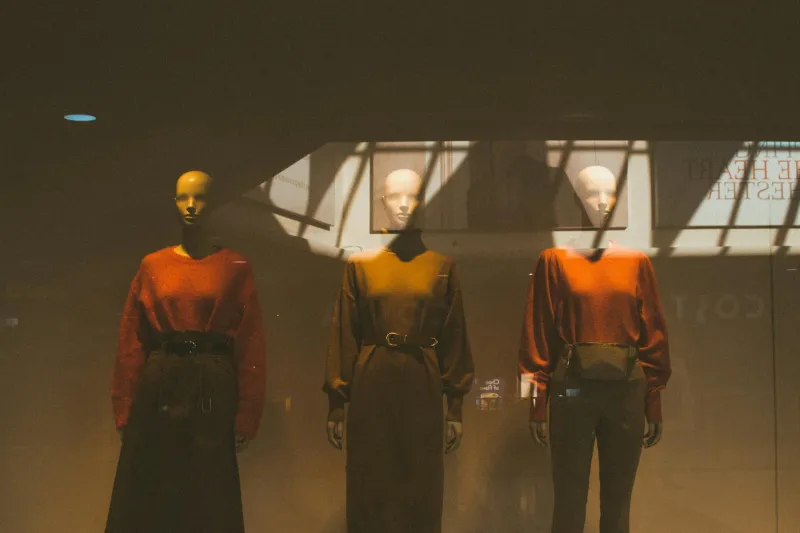
Walk through any American shopping mall today, and you'll pass dozens of them without a second thought—those eerily perfect figures modeling the latest fashions in store windows. But the mannequins staring back at you from behind glass have a surprisingly macabre history that most shoppers would find deeply unsettling.
Those flawless faces and impossible proportions didn't emerge from marketing focus groups or fashion design studios. They evolved from death masks, Victorian medical displays, and one French artist's borderline obsessive quest to sculpt the perfect female form.
The Grisly Beginning
The story begins in 18th-century France, where milliners and dressmakers used crude wooden forms called "Pandora dolls" to display their wares. These early dress forms were functional but hardly appealing—essentially glorified coat hangers shaped vaguely like human torsos.
Everything changed when French artists began experimenting with wax as a medium for creating lifelike human figures. But their inspiration came from a deeply morbid source: death masks. Wealthy families in Europe had long commissioned wax death masks to preserve the likeness of deceased relatives, and skilled artisans had perfected techniques for creating startlingly realistic human features in wax.
Madame Tussaud, famous for her wax museum, actually got her start making death masks during the French Revolution—including masks of guillotined aristocrats. The same techniques used to immortalize the dead were soon being adapted to create the "living" figures that would sell clothes to the living.
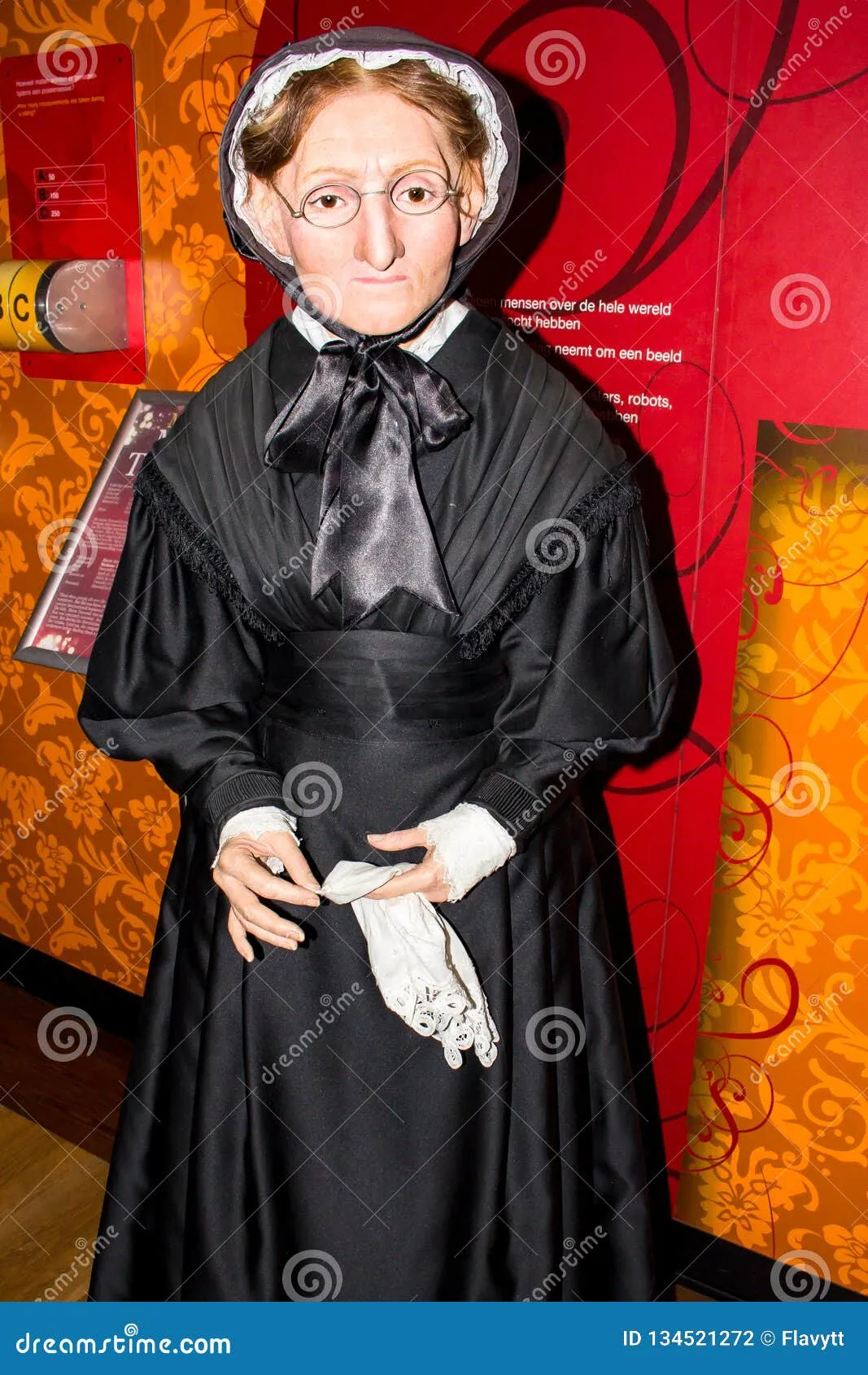 Photo: Madame Tussaud, via thumbs.dreamstime.com
The Anatomical Obsession
By the mid-1800s, wax figure-making had become increasingly sophisticated, driven partly by the medical profession's need for anatomical models. Victorian-era medical schools used detailed wax figures to teach anatomy, and these educational models were often disturbingly lifelike.
American department stores, which were just emerging in cities like New York and Philadelphia, noticed that shoppers were drawn to realistic human forms. Store owners began commissioning artisans to create wax figures specifically for retail display, borrowing heavily from medical modeling techniques.
The results were often unsettling. Early retail mannequins had real human hair, glass eyes that seemed to follow customers around the store, and skin tones that looked almost too real. Shoppers frequently complained that the figures were "too lifelike" and made them uncomfortable.
The Artist Who Changed Everything
The modern mannequin owes its existence to Pierre Imans, a French artist who became obsessed with creating the perfect female form for retail display. Working in the early 1900s, Imans studied thousands of photographs of women, took detailed measurements of models, and spent years perfecting what he believed were the ideal feminine proportions.
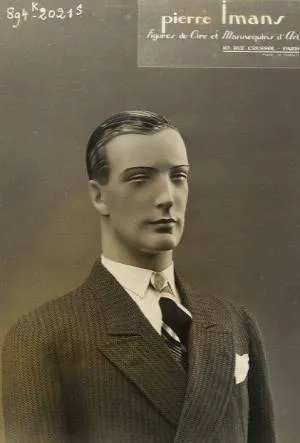 Photo: Pierre Imans, via flashbak.com
Imans wasn't just creating store displays—he was engineering beauty standards. His mannequins featured impossibly small waists, elongated necks, and facial features that combined elements from multiple real women to create a composite "perfect" face.
American department stores immediately embraced Imans' creations. Macy's, Lord & Taylor, and other major retailers began importing his mannequins, and shoppers responded enthusiastically. Sales increased dramatically in departments that featured the new, idealized figures.
The Psychology of Perfect
What store owners had discovered, accidentally, was the psychological power of aspirational display. When clothes were shown on impossibly beautiful mannequins, customers didn't just see the garments—they saw a version of themselves they wanted to become.
This had profound effects on American consumer culture. For the first time, ordinary shoppers were being presented with a standardized vision of physical perfection every time they entered a store. The mannequins weren't just selling clothes—they were selling an ideal.
By the 1920s, American manufacturers were producing their own mannequins based on Imans' designs, but with features specifically tailored to American beauty standards. These figures were slightly taller, with different facial structures and body proportions that reflected American preferences.
The Silent Influence
Throughout the 20th century, mannequins continued to evolve, but their basic function remained the same: they presented an idealized version of how customers might look in the displayed clothing. What most shoppers didn't realize was how profoundly these silent figures were shaping their perceptions of beauty and desirability.
Studies have shown that exposure to idealized mannequins can influence everything from clothing purchases to body image satisfaction. The figures that seem so neutral and commercial are actually powerful psychological tools that have been quietly shaping American beauty standards for over a century.
During the 1960s, mannequins became even more stylized and less realistic, with exaggerated poses and abstract facial features. But even in their most artistic forms, they continued to represent unattainable physical ideals.
The Digital Age Mannequin
Today's mannequins are more sophisticated than ever, with some featuring LED displays, interactive elements, and even artificial intelligence. But they still serve the same basic function they've served since Pierre Imans' time: they present an idealized vision of how we might look if we buy what they're wearing.
The next time you're walking through a department store, take a closer look at those perfectly posed figures. Remember that you're seeing the end result of a centuries-long evolution from death masks to beauty ideals, and that those silent salespeople have been quietly influencing how Americans think about appearance, fashion, and desirability for generations.
What started as a practical way to display clothing became one of the most subtle but persistent forms of beauty propaganda in American culture. And it all began with artists who learned their craft by making death masks of French aristocrats.