When Doctors Prescribed Steel Underwear: The Medical Origins of Fashion's Most Misunderstood Garment

The Doctor's Orders That Lasted Four Centuries
In 1579, a French physician named André du Laurens published a medical treatise that would influence women's clothing for the next 400 years. His recommendation was startling by today's standards: all women should wear rigid, structured undergarments to prevent their internal organs from wandering around their bodies.
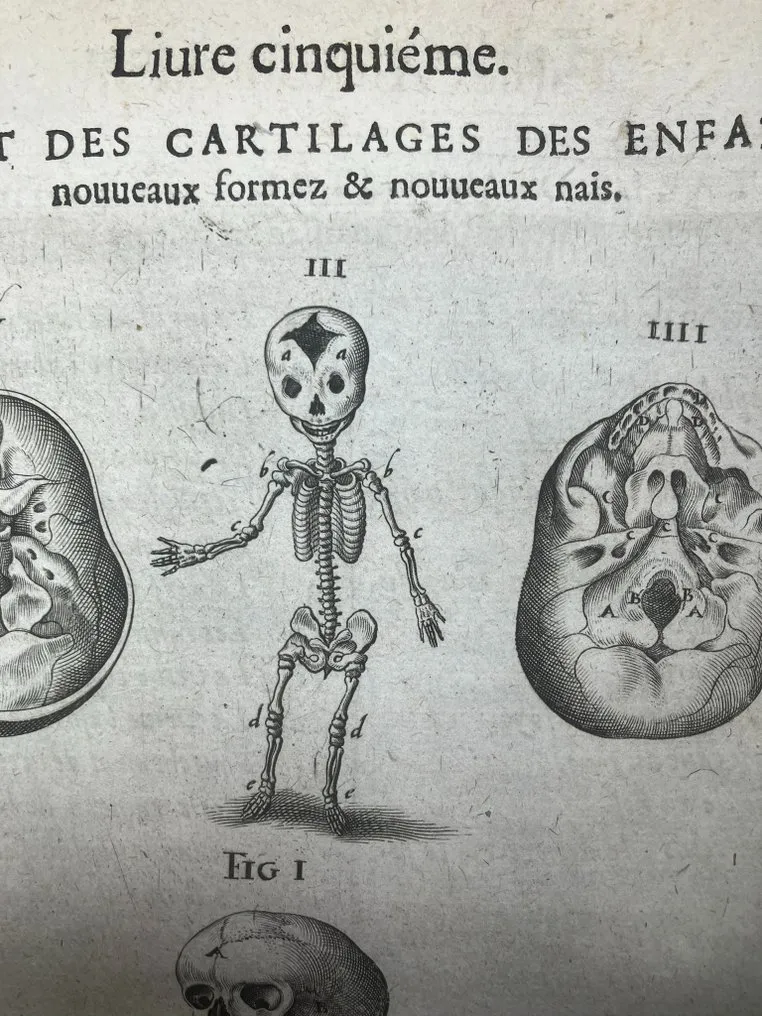 Photo: André du Laurens, via assets.catawiki.com
This wasn't fashion advice—it was a medical prescription. Du Laurens and his contemporaries genuinely believed that without external support, women's organs would literally move out of place, causing everything from hysteria to infertility. The corset wasn't invented to create an hourglass figure; it was designed to keep women's bodies from falling apart.
The medical establishment of 16th and 17th century Europe had convinced itself that women's bodies were fundamentally unstable. Unlike men, who were considered structurally sound, women supposedly needed artificial support to function properly. The corset became medicine's answer to female anatomy.
The Science That Wasn't Science
Early corsets were brutal by any standard. Made from steel, whalebone, or wood, they were less like clothing and more like medical devices. Women wore them from childhood through old age, often sleeping in them. The goal wasn't beauty—it was survival.
Doctors believed that without corsets, women's ribs would spread apart, their spines would curve incorrectly, and their organs would shift into dangerous positions. "Floating kidney" was a genuine medical diagnosis, and physicians were convinced that tight lacing could prevent it.
The irony was staggering. While doctors prescribed corsets to improve women's health, the garments were actually causing the problems they claimed to solve. Tight lacing compressed internal organs, restricted breathing, and weakened back muscles. But medical theory moved slowly, and for centuries, physicians continued recommending the very device that was harming their patients.
When Medicine Changed Its Mind
The first major medical challenge to corsets came in the 1890s, when dress reform movements began citing actual health evidence. Physicians started documenting the damage caused by tight lacing: compressed lungs, displaced organs, and weakened abdominal muscles.
Dr. Robert Dickinson, an American gynecologist, published detailed studies showing how corsets deformed women's ribcages and compressed their internal organs. His anatomical drawings were shocking—X-rays of corseted women showed ribs that had been permanently bent inward.
 Photo: Dr. Robert Dickinson, via doximity-res.cloudinary.com
But even as medical opinion shifted, cultural momentum kept corsets in place. Women who had worn them since childhood felt physically unstable without them. Their back muscles had never developed properly, and removing the corset felt like losing essential support.
The medical profession found itself in the awkward position of having to undo centuries of its own advice.
The Fashion Revolution Nobody Expected
World War I finally broke the corset's medical stranglehold on women's fashion—but not through medical enlightenment. The U.S. War Industries Board asked American women to stop buying steel corsets so the metal could be used for military equipment instead.
Suddenly, patriotism required abandoning the garment that medicine had declared essential for female health. The war effort accomplished what decades of dress reform couldn't: it made going without a corset socially acceptable, even admirable.
When the war ended, many women simply never went back. The 1920s flapper dress was specifically designed to be worn without a corset, and a new generation of women discovered they could function perfectly well without steel underwear.
The corset seemed destined for the historical dustbin. Medical opinion had turned against it, fashion had moved on, and women had proven they didn't need artificial support to survive.
The Comeback Nobody Predicted
But the corset's story didn't end in the 1920s. Instead, it began one of fashion history's strangest cycles of death and resurrection.
In the 1940s, Christian Dior's "New Look" brought back structured undergarments to create the hourglass silhouette. In the 1980s, Madonna turned corsets into outerwear, transforming them from hidden foundation garments into bold fashion statements. In the 2000s, celebrities began wearing corset-inspired tops to red carpet events.
 Photo: Christian Dior, via wallpapers.com
Each revival recontextualized the corset's meaning. What had been medical necessity in the 1600s became feminine oppression in the 1960s, sexual empowerment in the 1980s, and body-positive self-expression in the 2020s.
The TikTok Renaissance
Today's corset revival is perhaps the most ironic yet. Gen Z fashion enthusiasts are embracing corsets as symbols of personal choice and aesthetic expression—the exact opposite of their original medical mandate.
Modern corset-wearers explicitly reject the historical narrative of oppression and medical necessity. Instead, they frame corset-wearing as an act of agency, a way to experiment with silhouette and style on their own terms.
The garment that 16th-century doctors prescribed to control women's bodies has been reclaimed by a generation that refuses to let anyone else control their fashion choices.
The Garment That Refuses to Die
The corset's 400-year journey reveals how the same object can carry completely different meanings across different eras. What started as medical equipment became a fashion staple, then a symbol of oppression, then a tool of empowerment.
Perhaps the corset's persistence says something fundamental about human nature: we're drawn to transformation, structure, and the possibility of reshaping ourselves. Whether prescribed by doctors or chosen for Instagram, the corset represents our endless fascination with becoming someone different.
The medical corset may have been based on flawed science, but its cultural power has proven remarkably durable. Four centuries after French physicians first prescribed steel underwear, the corset continues to evolve, adapt, and surprise us with new meanings.
It's the rare garment that has been both mandated and banned, both celebrated and condemned, often simultaneously. And somehow, it keeps coming back.