From Victorian Modesty to Celebrity Status: How Your Bathrobe Escaped the Bathroom

The Bathroom Prison
If you own a bathrobe worth more than fifty dollars, you're participating in one of fashion's strangest success stories. The terry cloth garment hanging in your bedroom closet was originally designed with one purpose: absorb water after a bath, then disappear back into a communal laundry pile.
In Victorian America, bathrobes lived exclusively in public bathhouses and private washrooms. These weren't the plush, hotel-quality robes we recognize today—they were rough, utilitarian wraps made from cheap cotton terry. The idea of wearing one outside a bathroom would have seemed as bizarre as wearing a shower cap to dinner.
When Hollywood Discovered Comfort
The bathrobe's escape from bathroom exile began in 1930s Hollywood. Movie stars, constantly under studio contracts that controlled their every public appearance, found refuge in the privacy of their dressing rooms. The bathrobe became their uniform of rebellion—a way to signal "I'm off duty" without actually removing their makeup.
Cary Grant was photographed lounging in silk robes between takes. Marilyn Monroe made terry cloth glamorous in behind-the-scenes shots. These images, initially meant for studio publicity, accidentally created a new association: the bathrobe as a symbol of leisure and luxury rather than mere functionality.
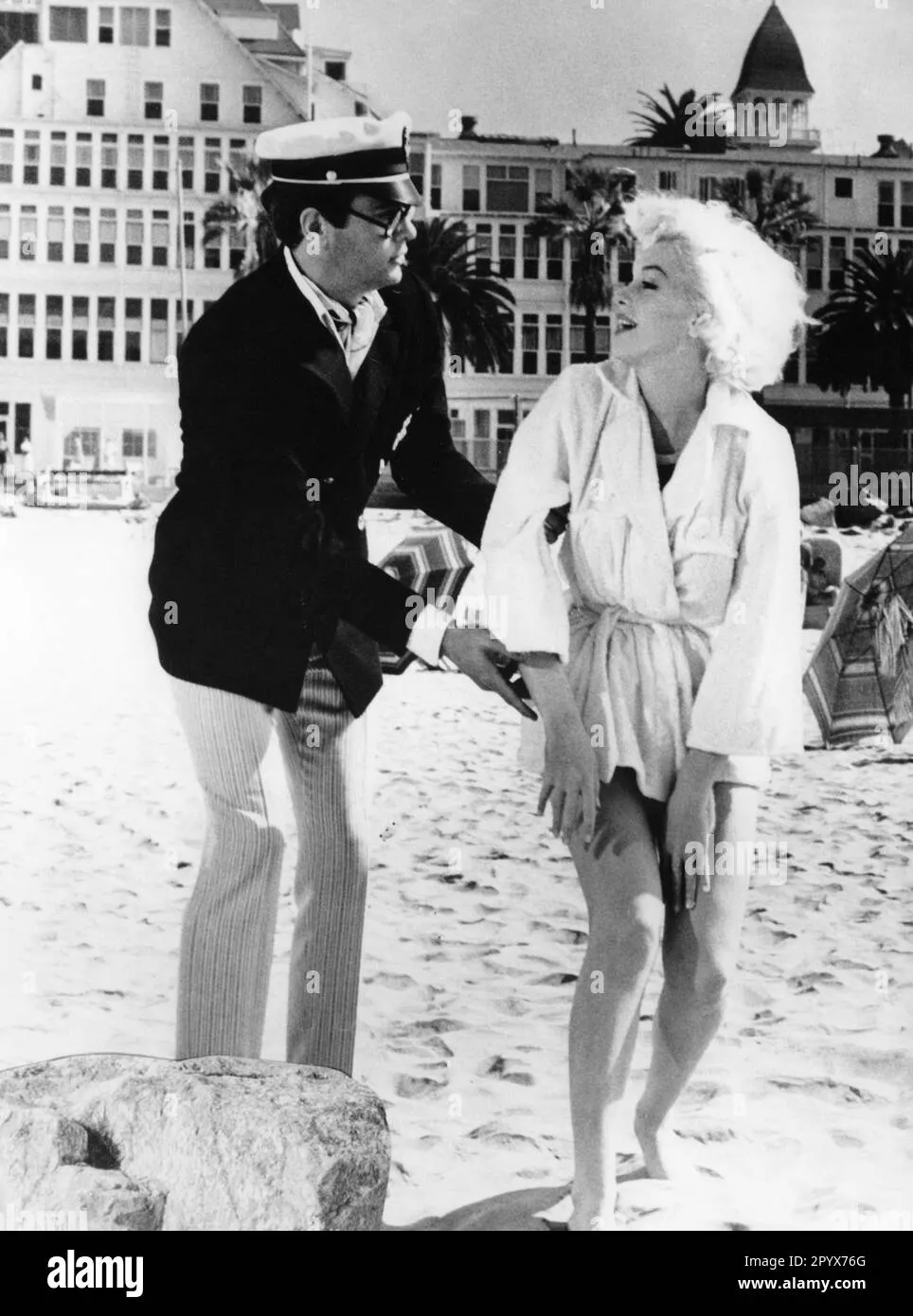 Photo: Marilyn Monroe, via c8.alamy.com
 Photo: Cary Grant, via c8.alamy.com
The Hotel Industry's Accidental Marketing Genius
But Hollywood alone didn't transform the bathrobe into a status symbol. That credit belongs to the American hotel industry, though they stumbled into it by accident.
In the 1950s, luxury hotels began providing bathrobes as a practical amenity—guests needed something to wear while their clothes were being pressed or cleaned. The Waldorf Astoria in New York was among the first to offer thick, white terry robes embroidered with the hotel logo.
 Photo: Waldorf Astoria, via www.waldorfastorianewyork.com
Hotel managers quickly noticed something unexpected: guests kept stealing the robes. Not just taking them home—actively requesting to purchase them. The Ritz-Carlton reported that bathrobe "theft" was costing them thousands annually, but instead of tightening security, they started selling them in their gift shops.
The Psychology of Borrowed Luxury
Wearing a hotel bathrobe tapped into something deeper than comfort. It allowed ordinary Americans to experience, even briefly, the lifestyle of the wealthy. The same terry cloth that felt mundane at home somehow felt luxurious when it came with a $400-per-night hotel room.
This psychological transformation worked so well that hotels began competing on robe quality. The Four Seasons introduced Egyptian cotton. The Peninsula Hotels created custom silk blends. By the 1980s, a hotel's bathrobe had become part of its brand identity.
The Celebrity Endorsement Nobody Planned
The 1990s cemented the bathrobe's transformation through an unlikely source: celebrity culture. Paparazzi photos of stars in bathrobes—picking up morning newspapers, walking dogs, grabbing coffee—flooded tabloids. These images weren't staged fashion shoots; they were supposed to be "candid" moments of celebrity vulnerability.
Instead, they became aspirational. Hugh Hefner's silk pajamas and robe became his signature look. Martha Stewart built an entire lifestyle brand that included $200 bathrobes as essential home accessories. The message was clear: successful people wore quality robes, even when no one was watching.
The $300 Question
Today, Americans spend over $500 million annually on bathrobes that cost more than most people's monthly grocery budget. Brands like Frette and Pratesi sell terry cloth robes for $800 or more—prices that would have baffled the Victorian inventors of the garment.
The irony is perfect: we've turned a utilitarian bathroom necessity into a luxury status symbol, then convinced ourselves we need it to feel pampered. The bathrobe that was designed to be temporary, communal, and forgotten has become personal, permanent, and precious.
The Democracy of Comfort
Perhaps the most remarkable aspect of the bathrobe's journey is how it democratized luxury. Unlike designer clothes or expensive jewelry, a quality bathrobe offers its luxury in private. It's a status symbol that signals success only to yourself—and maybe your family.
This private luxury explains why the bathrobe market continues growing even during economic downturns. When external luxuries become unaffordable, Americans retreat to the comfort of expensive terry cloth. The bathrobe promises that whatever chaos exists outside, inside your home, you can wrap yourself in something that feels like wealth.
The next time you slip into your bathrobe, remember: you're wearing a garment that escaped its original purpose so completely that we've forgotten it was ever anything other than a symbol of leisure. From Victorian bathhouse utility to Hollywood glamour to hotel luxury to private indulgence—the bathrobe's journey proves that sometimes the most successful fashion evolution is the one nobody plans.