Heels Were Built for War, Not Runways: The Forgotten Military Origin of Fashion's Most Iconic Shoe
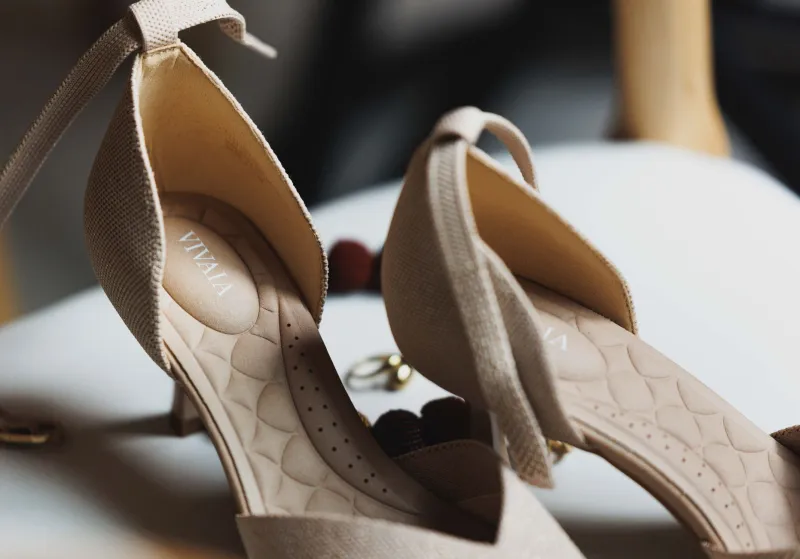
Heels Were Built for War, Not Runways: The Forgotten Military Origin of Fashion's Most Iconic Shoe
Every year, Americans spend billions of dollars on high heels. They appear on red carpets, in boardrooms, at weddings, and behind podiums. They've been called empowering, oppressive, elegant, and impractical — sometimes all in the same conversation. But almost nobody talks about where they actually came from.
Here's the part that tends to stop people cold: high heels were invented for men. Specifically, for soldiers on horseback. And the story of how they traveled from Persian cavalry units to the feet of European kings to the stiletto racks of modern department stores is one of the strangest journeys in fashion history.
Born on the Battlefield
The earliest evidence of heeled footwear traces back to Persia — modern-day Iran — somewhere around the 9th or 10th century. Persian cavalry soldiers needed a reliable way to keep their feet locked in stirrups during combat. A raised heel at the back of the boot did exactly that. It acted as an anchor, giving riders stability and control when standing up in the saddle to fire arrows or swing weapons.
This was purely functional engineering. Nobody was thinking about posture or leg lines. The heel existed to keep a soldier on his horse and, by extension, alive.
When Persian diplomatic envoys traveled to Europe in the late 16th century — partly to seek military alliances against the Ottoman Empire — they brought their riding gear with them. European aristocrats, who were already obsessed with all things Persian and exotic, took one look at those heeled boots and immediately wanted in.
 Photo: Ottoman Empire, via c8.alamy.com
The Aristocratic Men Who Wore Heels First
By the early 1600s, heeled shoes had become a full-blown status symbol among European nobility — and the people wearing them were almost exclusively men.
The logic was simple: only the wealthy owned horses, and only the wealthy needed riding boots. A heel signaled that you were the kind of person who spent time in the saddle rather than walking through mud. Height was also associated with authority and dominance, so the taller your heel, the more power you projected.
King Louis XIV of France took this to its logical extreme. Standing at around five-foot-four, Louis commissioned heels up to four inches high, often painted red to signal his royal status. He reportedly passed laws restricting who could wear red-heeled shoes — a direct attempt to keep the symbol exclusive to the court. When the most powerful man in Europe was this invested in his footwear, everyone else followed.
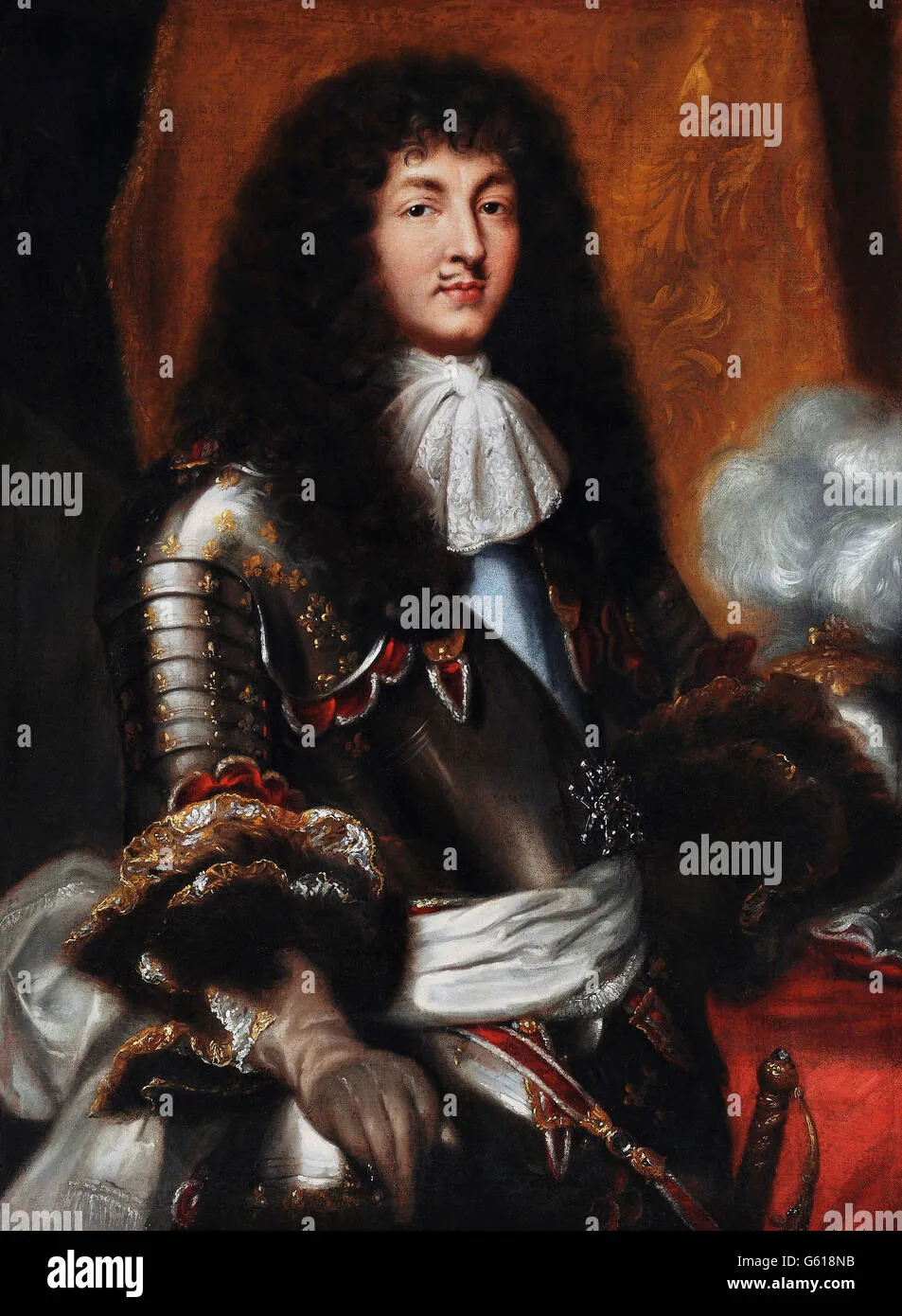 Photo: King Louis XIV of France, via c8.alamy.com
For nearly a century, the high heel was a masculine garment. Women wore them too, but largely in imitation of male fashion — a common pattern in European courts where women adopted elements of men's dress to signal ambition or political engagement.
The Great Gender Reversal
The shift happened gradually, and for reasons that were less about fashion and more about politics.
By the late 1600s and into the 1700s, the Enlightenment was reshaping how Europeans thought about gender, reason, and social roles. Men's fashion began moving toward a more restrained, rational aesthetic — lower heels, darker colors, less ornamentation. Wearing a towering heel started to feel less like power and more like vanity, which was increasingly coded as feminine.
Women's fashion moved in the opposite direction. As men stepped back from decorative excess, women's clothing became more elaborate, more structured, and more elevated — literally. The heel stayed, but it migrated almost entirely into women's wardrobes.
By the mid-1700s, the gender association we recognize today was largely set. Men had abandoned the heel. Women had claimed it. And nobody seemed particularly interested in remembering that it had ever been the other way around.
Practicality, Scandal, and the Modern Heel
The 19th century brought both the sewing machine and photography, and both changed fashion dramatically. Mass production made heeled shoes available to women outside the aristocracy for the first time. Photographs of fashionable women circulated widely, creating new standards of style that middle-class Americans and Europeans aspired to match.
By the early 20th century, the heel was firmly embedded in American women's fashion. Department stores like Macy's and Marshall Field's displayed heeled shoes as aspirational objects. Hollywood amplified the association — screen goddesses in heels became the visual shorthand for glamour and desirability.
The stiletto arrived in the early 1950s, pioneered by designers like Roger Vivier and Salvatore Ferragamo, who used new steel technology to create a heel so narrow it seemed structurally impossible. It was provocative by design — and it worked.
Why the Origin Story Matters
It's worth sitting with the strangeness of this history for a moment.
A shoe designed to help soldiers grip stirrups became a symbol of masculine power in European courts, then got quietly handed off to women as men decided it was no longer appropriately serious — and then spent the next three centuries being described as inherently, naturally feminine.
The high heel isn't a product of biology or some deep truth about gender expression. It's a product of Persian military engineering, French royal vanity, Enlightenment-era ideas about masculinity, and a fashion industry that eventually forgot — or chose to ignore — the whole complicated backstory.
None of that makes the shoe less meaningful to the people who wear it. But it does make the story a lot more interesting than the version we usually get.