Sacred, Powerful, and Forgotten: The 30,000-Year Story of Your Kitchen Apron
Before There Were Pockets, There Were Aprons
The apron hanging in your kitchen drawer is older than agriculture, older than written language, older than almost every piece of clothing in human history. While fashion historians argue about the origins of shirts and pants, the apron's lineage traces back 30,000 years to when early humans first wrapped animal skins around their waists for protection.
But here's what nobody talks about: for most of human history, the apron had nothing to do with cooking. It was a symbol of power, sacred ritual, and professional authority. The association with domestic work? That's a relatively recent—and deliberate—cultural shift.
When Pharaohs Wore Aprons
In ancient Egypt, the schenti—a simple linen apron—was the most important garment in the royal wardrobe. Pharaohs wore elaborate versions made from the finest linen, often decorated with gold thread and precious stones. The length and decoration of a man's apron indicated his social status more clearly than any crown.
Egyptian hieroglyphs show gods wearing aprons as symbols of divine authority. The apron wasn't just clothing—it was a sacred garment that connected the wearer to cosmic power. Workers wore simple versions, but the fundamental design remained the same: a protective covering that signaled the wearer's role and status.
This wasn't unique to Egypt. Across ancient civilizations, apron-like garments appeared wherever humans needed to signal their function in society. Roman priests wore ceremonial aprons during religious rituals. Celtic druids used leather aprons in sacred ceremonies. The pattern was universal: aprons meant authority.
The Guild System's Uniform of Excellence
Medieval Europe transformed the apron into a symbol of professional mastery. Craftsmen's guilds—the powerful organizations that controlled everything from blacksmithing to baking—required members to wear specific aprons that identified their trade and skill level.
A master carpenter's leather apron looked different from an apprentice's canvas version. Stonemasons wore aprons with specialized pockets for their tools. Alchemists—the predecessors to modern chemists—wore aprons to protect against dangerous substances, but also to signal their membership in an elite intellectual class.
These weren't just work clothes. Guild aprons were carefully regulated, often requiring official approval before a craftsman could wear certain designs. The apron became a wearable resume, instantly communicating the wearer's qualifications to anyone who knew the code.
The Freemasons' Secret Symbol
Perhaps no organization elevated the apron's symbolic power more than the Freemasons. When the fraternal order emerged in 18th-century Europe, they adopted the stonemason's apron as their central symbol—but stripped it of its practical function and transformed it into pure ceremony.
Freemason aprons were made from white lambskin, representing purity and innocence. The design, decoration, and even the way the apron was worn conveyed the member's rank within the organization. George Washington was buried in his Masonic apron. Benjamin Franklin's apron, hand-embroidered by the Marquise de Lafayette, became a treasured artifact.
 Photo: Marquise de Lafayette, via c8.alamy.com
 Photo: Benjamin Franklin, via i.etsystatic.com
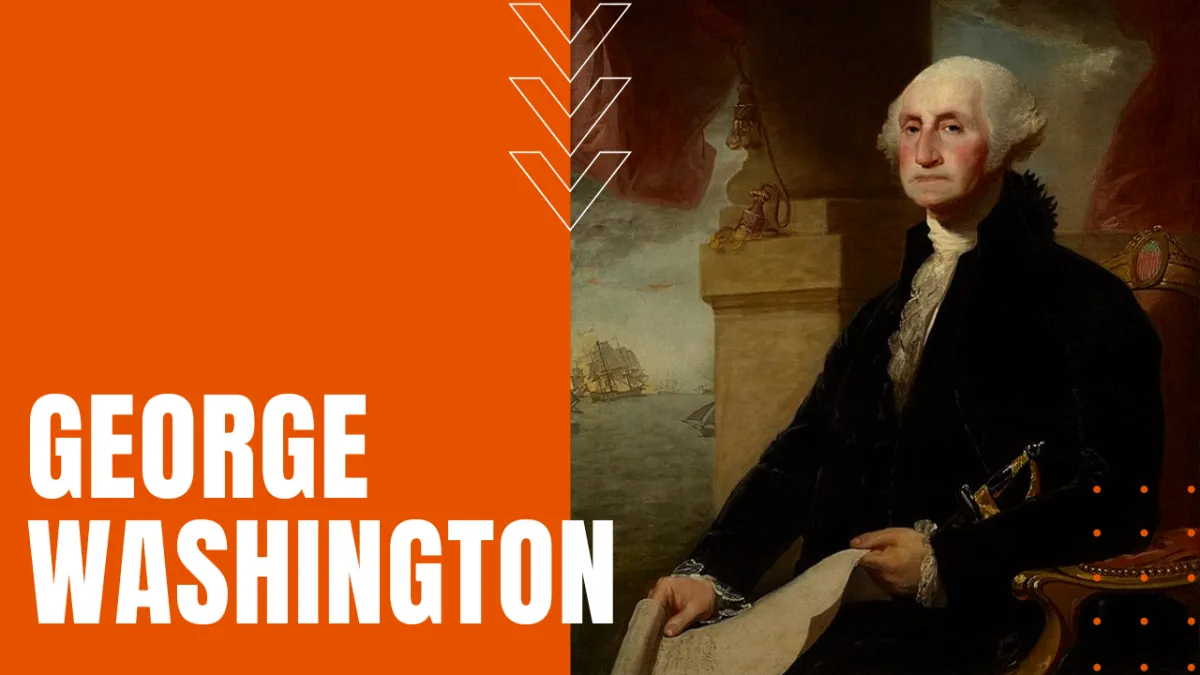 Photo: George Washington, via dailydosedocumentary.com
For these founding fathers, wearing an apron wasn't about manual labor—it was about joining an intellectual brotherhood that valued skill, knowledge, and moral character. The apron connected them to centuries of craftsmen who had built civilization with their hands and minds.
The Great Diminishment
Somewhere between the Industrial Revolution and World War II, the apron lost its power. As manufacturing moved from individual craftsmen to factory workers, the symbolic apron became obsolete. The rise of ready-made clothing meant fewer people needed to protect their garments during daily tasks.
But the real transformation happened in American kitchens. As women's roles became increasingly confined to domestic spaces, the apron followed them. Marketing campaigns in the 1940s and 1950s reimagined the apron as the uniform of the happy housewife. Images of smiling women in frilly aprons flooded magazines, creating a new association that erased thousands of years of the garment's authoritative history.
This wasn't accidental. The same apron that had once symbolized professional mastery was deliberately rebranded as a symbol of domestic submission. The transformation was so complete that by the 1960s, burning aprons became a feminist statement against traditional gender roles.
The Quiet Revolution
Today, something interesting is happening in American kitchens. Celebrity chefs wear aprons as badges of professional pride. Craft brewers, artisan bakers, and small-batch manufacturers have revived the apron as a symbol of hands-on expertise. Farmers market vendors wear aprons to signal their connection to traditional food production.
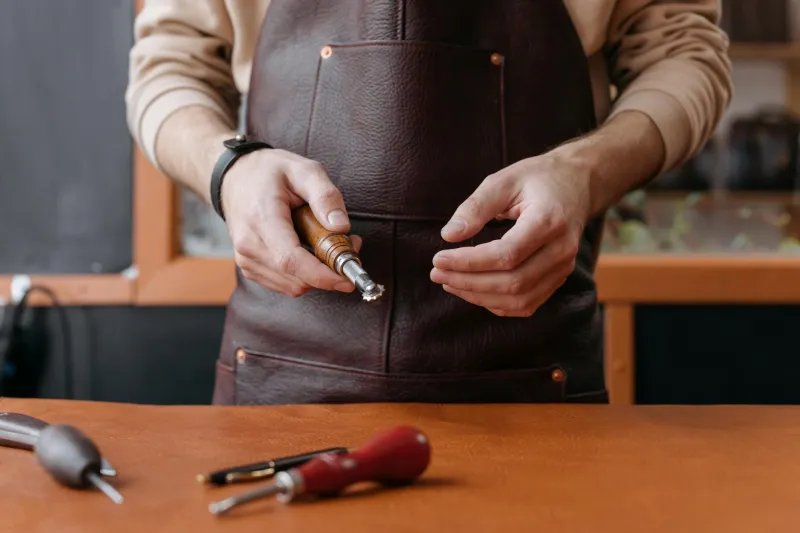
The modern foodie movement has accidentally restored some of the apron's original meaning. When someone ties on a leather apron to smoke brisket or wears canvas to tend their vegetable garden, they're participating in the same tradition that once connected Egyptian pharaohs to cosmic authority and Freemason leaders to ancient wisdom.
Protection and Purpose
The apron endures because it serves a fundamental human need: the desire to signal our function while protecting what matters to us. Whether it's a surgeon's sterile covering, a barista's branded apron, or a home cook's inherited kitchen wear, the basic purpose remains unchanged.
We wrap fabric around our bodies to show the world—and remind ourselves—that we're engaged in meaningful work. The apron transforms the wearer from passive observer to active participant. It's a uniform that anyone can put on, instantly signaling their readiness to create, protect, or serve.
The Democracy of Dignity
In a world obsessed with expensive fashion and status symbols, the apron remains refreshingly democratic. A $15 canvas apron worn by a passionate home cook carries the same symbolic weight as a custom leather version worn by a James Beard Award winner. The garment itself matters less than the intention behind wearing it.
This is the apron's true power: it connects us to 30,000 years of human creativity and craftsmanship. Every time someone ties on an apron—whether to bake bread, tend a garden, or fix a car—they're participating in humanity's oldest tradition of purposeful work.
The next time you see someone wearing an apron, remember: you're looking at one of history's most enduring symbols of human dignity, skill, and purpose. The fact that we've forgotten this history doesn't make it less true—it just makes the apron's quiet persistence more remarkable.