America's Most Democratic Hat Started as Elite Cricket Gear
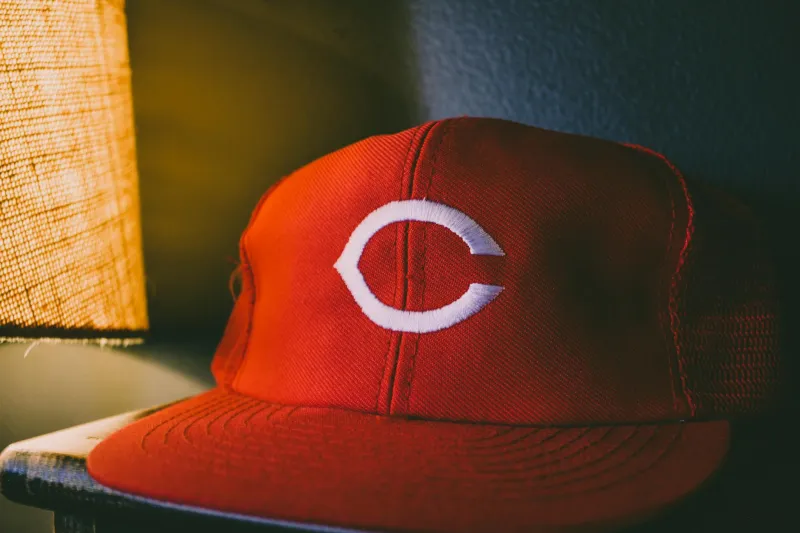
The Cricket Connection Nobody Remembers
Every baseball cap in America traces its lineage to a sport most Americans have never watched: cricket. In 1860, the Brooklyn Excelsiors—one of baseball's earliest organized teams—needed headwear that would protect players from the sun while allowing them to see fly balls clearly.
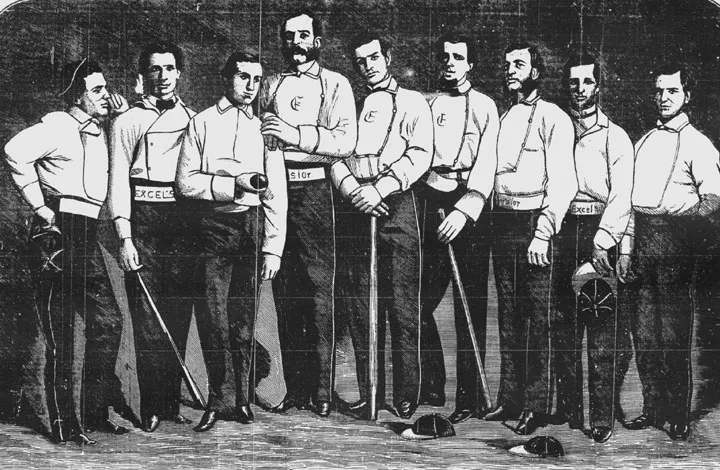 Photo: Brooklyn Excelsiors, via www.threadsofourgame.com
Their solution came from cricket, where British players had been wearing structured caps with short brims for decades. The Excelsiors adapted the cricket design, adding a longer brim and higher crown to better suit baseball's unique demands. The first baseball caps were handmade by local hatters using techniques borrowed directly from cricket cap manufacturers in England.
This borrowing wasn't unusual—early baseball adopted rules, equipment, and fashion from various established sports. But while most of these borrowed elements evolved or disappeared, the basic cap design proved so functional that it survived virtually unchanged for over 150 years.
From Gentleman's Sport to Working Class Hero
Early baseball was a gentleman's game, played by middle-class men who could afford to take afternoons off for recreation. The structured wool caps they wore reflected this social status—they were carefully tailored, often featuring elaborate team logos embroidered by hand.
But as baseball professionalized in the 1870s and 1880s, the sport attracted working-class players and fans. The cap followed this demographic shift, becoming simpler and more durable. Manufacturers switched from wool to cotton, simplified the construction, and began mass-producing caps for growing teams across the country.
By 1900, the baseball cap had completed its first major transformation: from elite sporting accessory to working-class uniform. This shift would prove crucial to its eventual universal adoption—the cap had learned to transcend social boundaries.
The Great Escape from Sports
The baseball cap's escape from athletic contexts began during World War II, when American soldiers adopted caps as practical military headwear. Unlike formal military hats, baseball caps were comfortable, familiar, and reminded troops of home. Soldiers wore them during downtime, in photographs sent to families, and after returning from service.
Post-war America saw returning veterans continue wearing caps in civilian contexts—working in factories, farming, driving trucks. The cap became associated with honest work and American masculinity. By the 1950s, wearing a baseball cap signaled membership in the broad American working class, regardless of your actual job.
This was revolutionary. For the first time in fashion history, a piece of headwear moved down the social ladder and became more popular, not less. The baseball cap had discovered something unique: it could signal authenticity rather than status.
The Trucker Revolution
The 1970s brought the baseball cap's most significant evolution: the trucker hat. Foam-front caps with mesh backs, originally designed for agricultural and trucking companies to give away as promotional items, became a cultural phenomenon.
Trucker caps were cheaper to produce and more comfortable in hot weather, but they also carried specific cultural meaning. Wearing a John Deere or Caterpillar cap signaled connection to rural, blue-collar America—even if you lived in suburbia and worked in an office.
This trend revealed the cap's growing power as cultural signifier. Americans were choosing headwear not based on function or fashion, but on the identity they wanted to project. The baseball cap had become a tool for cultural performance.
Hip-Hop's Hostile Takeover
In the 1980s and 1990s, hip-hop culture completely reimagined the baseball cap's meaning. Artists like LL Cool J and N.W.A wore caps as symbols of urban authenticity, often leaving price tags attached or wearing them backwards to signal rebellion against conventional fashion rules.
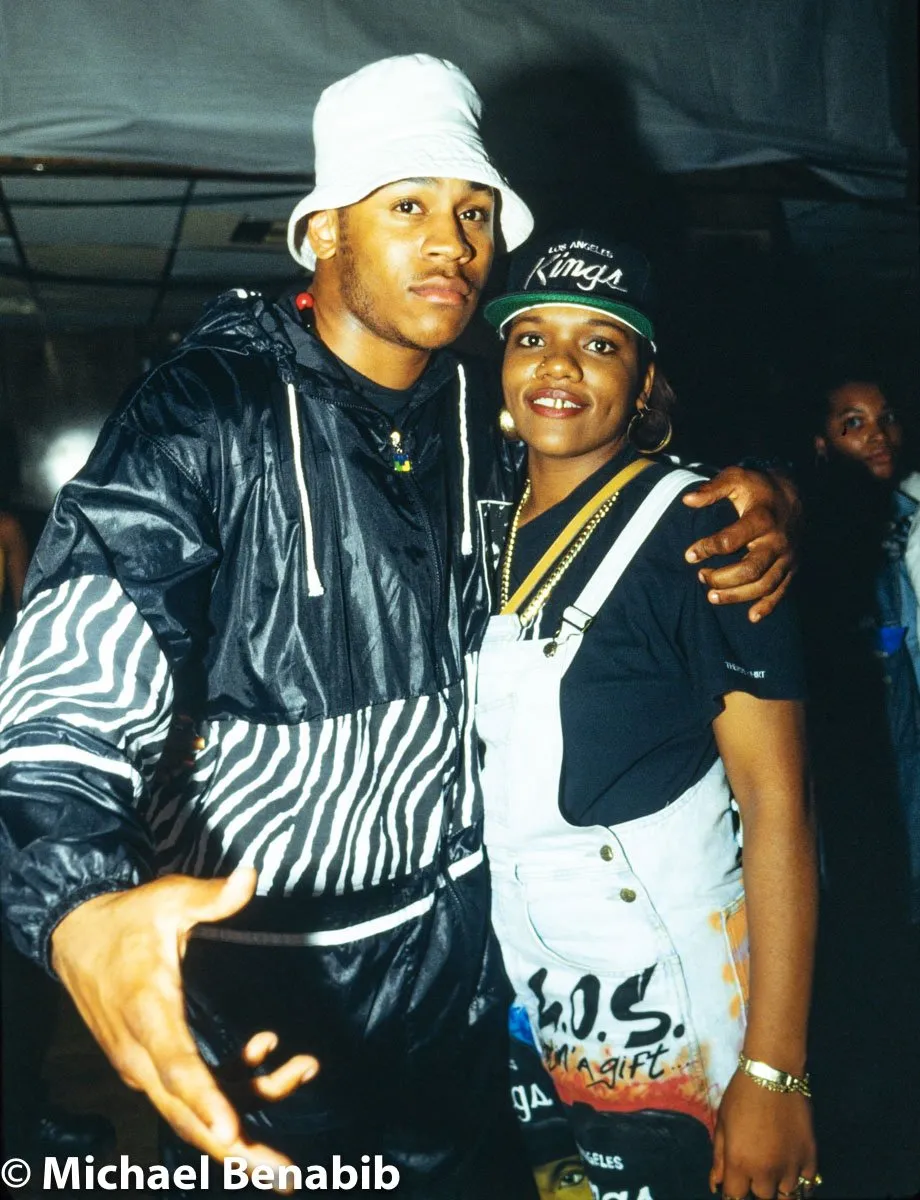 Photo: LL Cool J, via images.squarespace-cdn.com
Hip-hop transformed the cap from a symbol of working-class conformity into one of creative resistance. The same piece of headwear that had represented mainstream American values now challenged those values. This wasn't cultural appropriation—it was cultural revolution.
The backwards cap became particularly significant. By reversing the cap's orientation, hip-hop artists created a new visual language that older generations couldn't understand or control. The baseball cap had become a generational battleground.
Presidential Approval
The ultimate proof of the baseball cap's democratic power came when presidents started wearing them. Ronald Reagan wore caps at his ranch. Bill Clinton famously jogged in a University of Arkansas cap. George W. Bush cleared brush in a Texas Rangers cap. Barack Obama wore caps on vacation. Donald Trump made red "Make America Great Again" caps central to his political brand.
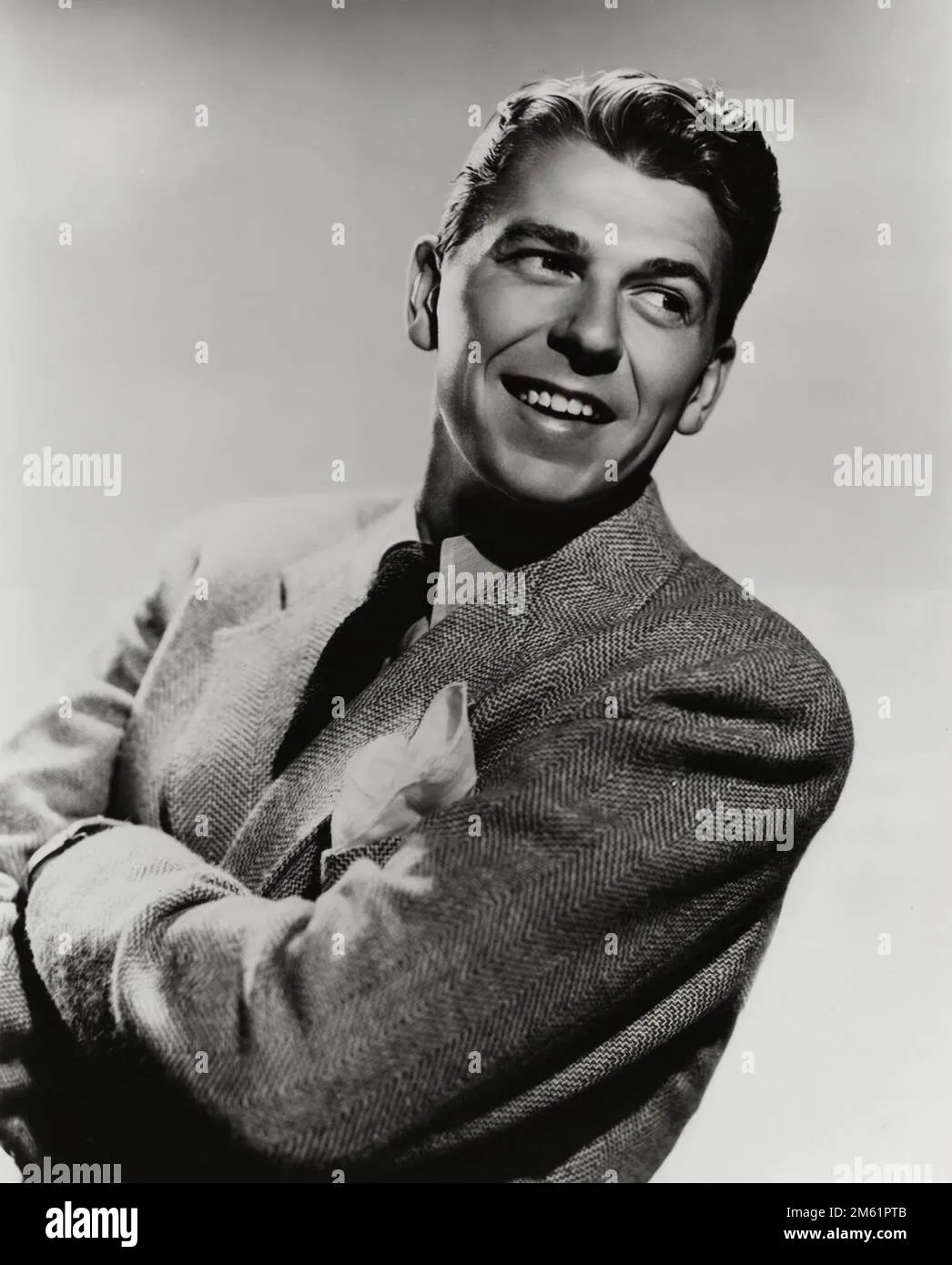 Photo: Ronald Reagan, via c8.alamy.com
This presidential adoption was unprecedented. No other piece of casual headwear has ever been worn by multiple presidents in public, non-ceremonial contexts. The baseball cap had achieved something remarkable: it became formal enough for presidents while remaining casual enough for everyone else.
The Democracy of the Brim
Today, the baseball cap is America's most democratic fashion item. It's worn by billionaires and minimum-wage workers, celebrities and construction crews, teenagers and retirees. No other garment crosses so many social, economic, and cultural boundaries without losing its essential meaning.
This universality isn't accidental—it's the result of 160 years of continuous cultural adaptation. The cap has survived by remaining functional while becoming infinitely customizable. Team logos, company brands, political slogans, personal statements—the cap's front panel became America's most accessible billboard.
The Uniform of Individuality
The baseball cap's greatest trick is making mass-produced conformity feel like personal expression. Walk through any American crowd and you'll see dozens of caps, each one identical in construction but unique in message. The cap allows Americans to simultaneously fit in and stand out.
This paradox explains the cap's enduring popularity. In a country that values both conformity and individualism, the baseball cap offers both. It's a uniform that celebrates difference, a mass-market product that enables personal branding.
Beyond American Borders
The baseball cap's influence has spread globally, becoming one of America's most successful cultural exports. From Tokyo to London to São Paulo, young people wear baseball caps as symbols of American casual style and democratic values.
But the cap's international adoption often strips away its complex American cultural meanings. Abroad, it's simply "American style." This global simplification has, ironically, reinforced the cap's domestic significance—Americans see their headwear being celebrated worldwide as a symbol of their cultural values.
The Future of Democracy
As America becomes increasingly polarized, the baseball cap remains one of the few items that transcends political and cultural divisions. Republicans and Democrats wear caps. Urban and rural Americans wear caps. The cap continues to serve its original democratic function: providing common ground in an uncommon time.
The next time you see someone wearing a baseball cap—whether it's a CEO, a student, or a retiree—remember that you're witnessing 160 years of American cultural evolution. That simple piece of fabric and plastic represents the ongoing experiment in democratic fashion that started with cricket-playing gentlemen in Brooklyn and continues in every American community today.
The baseball cap proves that in America, the most elite beginnings can lead to the most democratic endings.